
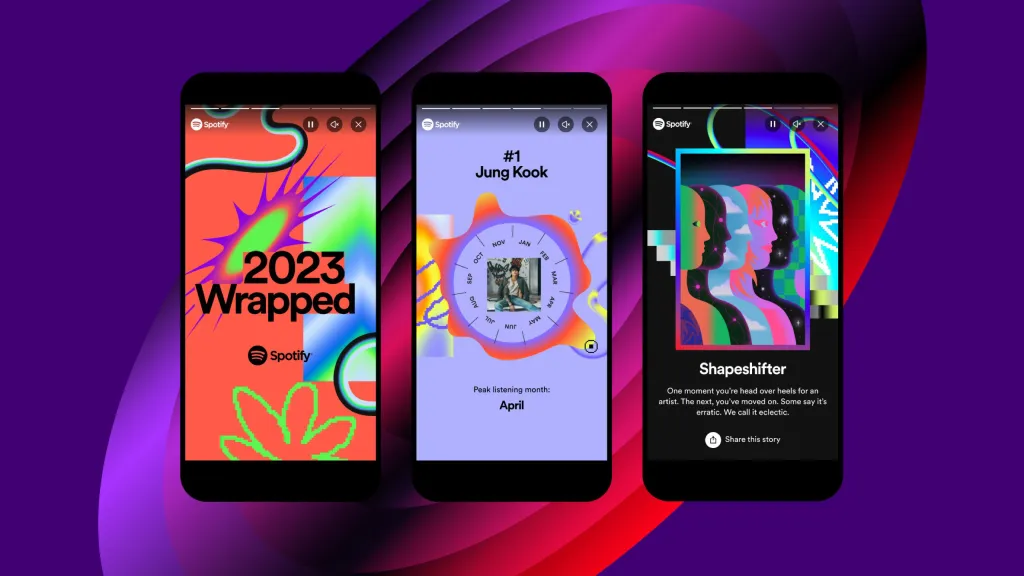
Spotify’s introduction of the new ‘Listening stats’ tab is more than just a prelude to the highly anticipated Wrapped event. It’s a strategic move that could significantly shape the music streaming sector’s approach to user engagement and personalization. By offering real-time insights into listening habits, Spotify is setting a new standard for how streaming platforms interact with their users.
This feature is not merely about showing users what they’ve been listening to; it’s about fostering a deeper connection with music. The daily updates and special highlights create a sense of continuity and discovery, encouraging users to explore their musical tastes more actively. This could lead to increased user engagement and loyalty, as listeners feel more invested in their streaming experience.
Moreover, the integration of new recommendations based on listening behaviors is a subtle yet powerful way to drive music discovery. By curating playlists and suggesting tracks tailored to users’ recent listening habits, Spotify is enhancing its algorithmic capabilities and potentially increasing the time users spend on the platform.
The rollout of this feature to both Free and Premium users in over 60 global markets is a bold step towards democratizing data-driven music experiences. It levels the playing field, ensuring that all users, regardless of their subscription tier, can benefit from personalized insights. This could pressure other streaming services to follow suit, making data transparency and personalization industry norms.
However, the absence of minute-tracking in the current iteration of the feature leaves room for improvement. If Spotify decides to incorporate this metric in the future, it would provide users with an even more comprehensive understanding of their listening habits. This could further solidify Spotify’s position as a leader in user-centric innovation within the streaming sector.
In essence, Spotify’s ‘Listening stats’ tab is a testament to the power of data personalization in enhancing user experience. As the music streaming sector continues to evolve, this feature could serve as a catalyst for more innovative and user-focused developments, ultimately benefiting both listeners and artists alike.

