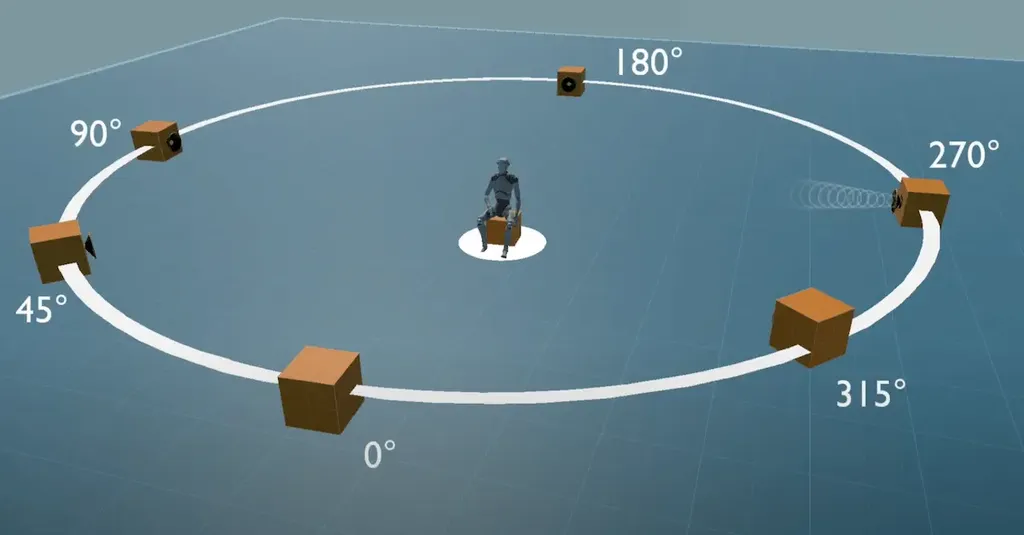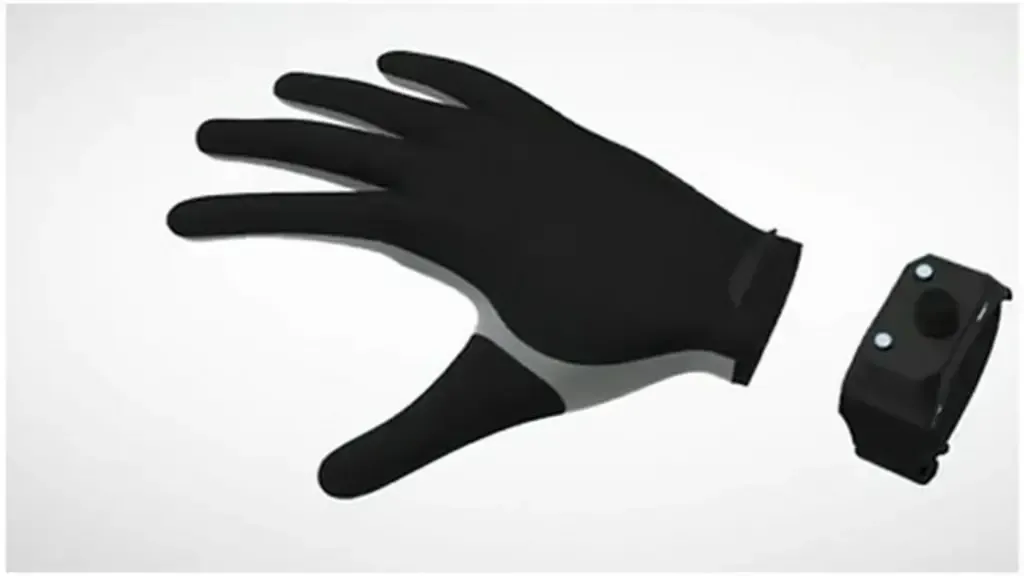
In the ever-evolving landscape of human-computer interaction (HCI), gesture recognition has emerged as a pivotal technology, enabling users to engage with digital systems seamlessly and intuitively. A groundbreaking study led by Barathi Subramanian, Rathinaraja Jeyaraj, Anand Paul, and Kapilya Gangadharan introduces an innovative application of vision-based dynamic gesture recognition (VDGR) for real-time music composition through gestures. This research not only pushes the boundaries of HCI but also opens up new avenues for creative expression in the realm of music.
The researchers developed a custom gesture dataset comprising over 15,000 samples across 21 classes, each representing seven musical notes at three distinct pitch levels. This extensive dataset serves as the foundation for their advanced gesture recognition system. To tackle the challenges posed by the relatively modest volume of training data and to accurately discern and prioritize complex gesture sequences for music creation, the team devised a multi-layer attention-based gated recurrent unit (MLA-GRU) model. This sophisticated model employs a gated recurrent unit (GRU) to learn temporal patterns from observed sequences, while an attention layer focuses on musically pertinent gesture segments, ensuring precise and contextually relevant recognition.
The empirical studies conducted by the researchers demonstrated that the MLA-GRU model significantly outperforms the classical GRU model, achieving an impressive accuracy of 96.83% compared to the baseline’s 86.7%. Moreover, the proposed approach exhibits superior efficiency and processing speed, which are crucial for interactive applications. These advancements not only enhance the user experience but also highlight the effectiveness of the MLA-GRU model in scenarios demanding swift and precise gesture recognition.
The practical applications of this research are vast and exciting. Imagine musicians and composers creating melodies in real-time through intuitive gestures, freeing them from the constraints of traditional instruments and interfaces. This technology could revolutionize live performances, music education, and even therapeutic applications, such as music therapy for individuals with physical disabilities. Additionally, the MLA-GRU model’s ability to process and prioritize complex gesture sequences could find applications in other fields, such as sign language recognition and virtual reality interactions.
In conclusion, the innovative work of Subramanian, Jeyaraj, Paul, and Gangadharan represents a significant leap forward in the field of HCI and music technology. By leveraging vision-based dynamic gesture recognition and advanced machine learning models, they have created a system that enables real-time music composition through gestures. This research not only advances our understanding of human-computer interaction but also opens up new possibilities for creative expression and technological innovation in the world of music.