In a significant stride towards preserving and performing electroacoustic compositions, researchers Jeremy Hyrkas, Pablo Dodero Carrillo, and Teresa Díaz de Cossio Sánchez have developed a collection of Pure Data patches that revive Antonio Russek’s “Summermood” for bass flute and live electronics. This innovative approach addresses the challenge of maintaining electroacoustic works that rely on discontinued hardware, such as the DeltaLab DL-4 delay rack unit used in “Summermood.”
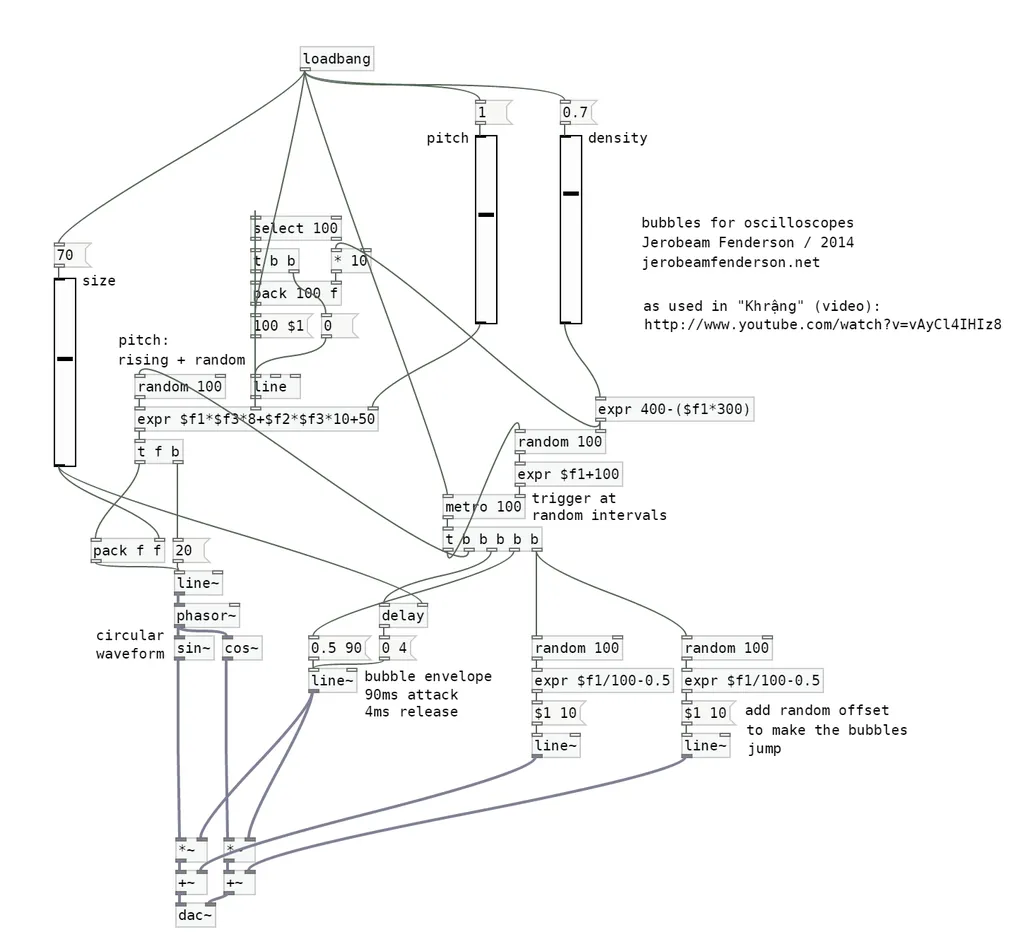
The researchers began by approximating the sound and unique functionality of the DL-4 within Pure Data, a visual programming language widely used in the music and audio production community. They then refined their implementation by comparing the settings from the original score to two official recordings of the piece. This meticulous process ensured that their Pure Data patches accurately replicated the distinctive characteristics of the DL-4, allowing “Summermood” to be performed live without the original hardware.
To facilitate live performance, the DL-4 emulation was integrated into a patch based on the Null Piece, a framework designed for real-time audio processing. The researchers employed the Reality Check framework for Pure Data to conduct regression testing, ensuring the patches’ reliability and consistency across different computer environments and future updates to the Pure Data language. This rigorous testing protocol guarantees that “Summermood” can be performed with fidelity to the original composition, regardless of the technological advancements or changes in the Pure Data platform.
The practical applications of this research extend beyond the preservation of “Summermood.” The developed Pure Data patches and the methodology employed can serve as a blueprint for preserving other electroacoustic compositions that rely on obsolete or discontinued hardware. This approach not only safeguards the legacy of existing works but also encourages the creation of new compositions that might otherwise be constrained by the limitations of available technology. For music producers and audio engineers, this research highlights the potential of software emulations to replicate and even enhance the capabilities of hardware units, offering new avenues for creativity and experimentation in audio production. Read the original research paper here.