
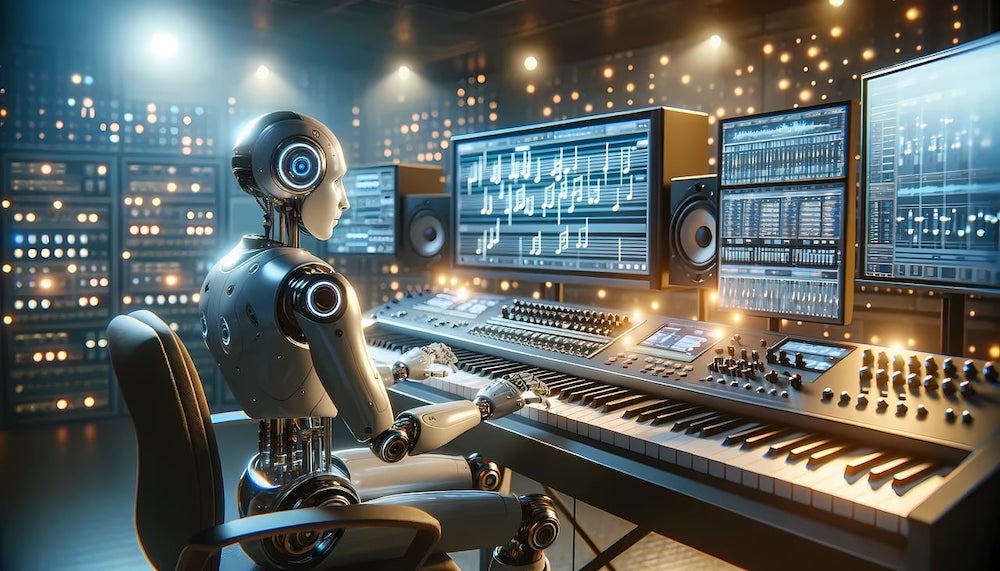
OpenAI’s venture into AI-driven music generation marks a significant pivot, directly challenging startups like Suno and Udio in a sector already fraught with tension. The company’s collaboration with music students at the Juilliard School, who are preparing sheet music to train the model, underscores a strategic approach to refining its technology. The aim is to enable music generation from text or audio prompts, such as creating a guitar track to accompany a song, and exploring potential applications in advertising.
This development comes at a time when the music industry is grappling with the implications of AI-generated content. Record labels have already filed lawsuits against Suno and Udio, alleging possible copyright violations. The industry’s wariness is palpable, and OpenAI’s entry into this space is likely to intensify scrutiny. While OpenAI CEO Sam Altman has suggested that rights holders should eventually share in the revenue—a point he raised during the troubled rollout of the Sora app— the specifics of how this would be implemented remain unclear.
OpenAI’s foray into music AI is not entirely new. In 2020, the company introduced “Jukebox,” an early experiment in AI-generated music. However, the technology was not pursued further until now. This renewed focus signals a broader trend in the tech industry, where AI is increasingly being leveraged to create and manipulate creative content.
The implications for the music sector are profound. AI-generated music could democratize music creation, making it accessible to a wider range of people. However, it also raises ethical and legal questions about copyright, originality, and the role of human artists. As OpenAI and other companies push the boundaries of what AI can do, the music industry will need to adapt, potentially leading to new business models and legal frameworks.
This move by OpenAI is likely to shape the development of the sector in several ways. First, it could accelerate the adoption of AI in music creation, leading to more innovative tools and platforms. Second, it could spur further legal and regulatory debates about the use of AI in creative industries. Finally, it could force the music industry to rethink its approach to copyright and revenue sharing, potentially leading to more collaborative models between tech companies and rights holders.
In the short term, the music industry’s reaction will be crucial. If record labels and artists can find a way to work with AI developers, the technology could become a powerful tool for creativity and innovation. However, if the industry remains resistant, the legal battles could escalate, potentially stifling progress. Regardless of the outcome, OpenAI’s entry into the music AI space is a game-changer, and its impact will be felt for years to come.

