
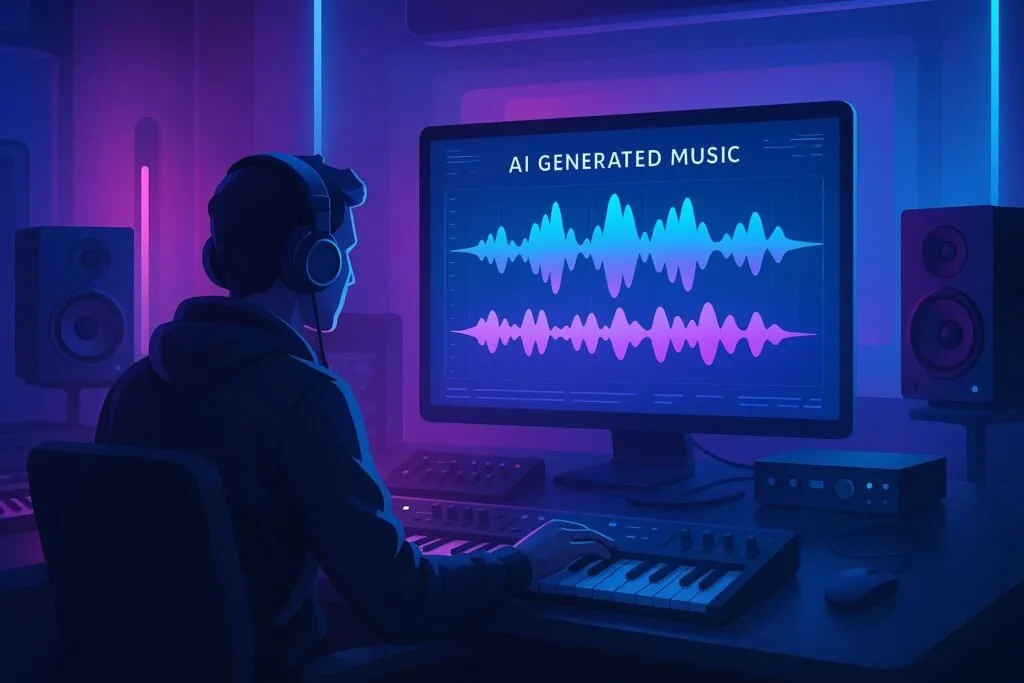
OpenAI is developing a generative music tool that creates tracks from text and audio prompts, potentially reshaping music creation and consumption. This new tool leverages neural networks to generate music based on user inputs, allowing for tailored soundtracks or instrumental accompaniments. The tool offers multiple modes of operation, enabling users to request tracks via text or provide voice recordings or videos for the AI to build upon. This could revolutionize how music is integrated into videos, performances, or personal narratives.
Central to OpenAI’s approach is a collaboration with students from the Juilliard School. These students are annotating musical scores, structures, and harmonies to train the AI on professional standards. This collaboration aims to improve the consistency and musicality of the output while mitigating legal risks by relying on annotated, original data rather than scraped or copyrighted tracks. This method represents a significant advancement from previous OpenAI projects like MuseNet and Jukebox, which struggled with coherence and were eventually discontinued.
The entry of OpenAI into generative music is not without controversy. The field is already crowded with competitors like Google, Suno, and Udio, each vying to offer more realistic and customizable music generation tools. The rise of AI-generated music has sparked debates over creative ownership, compensation, and authenticity. Artists and industry leaders, including Paul McCartney, have voiced concerns about fair compensation and the need for stronger legal protections for human musicians. Real-world examples, such as AI-generated tracks tricking listeners into believing they were real and climbing viral charts, underscore these fears.
OpenAI has not yet announced a launch date or integration details for the new music tool. However, the company is mindful of the pitfalls, particularly after the initial release of Sora led to the generation of copyrighted or famous fictional characters. By collaborating with Juilliard and focusing on annotated data, OpenAI aims to create music that is both technically sound and ethically produced. The tool could democratize music creation, empowering independent musicians and video creators with tailored soundtracks and lowering barriers to entry.
The development of this generative music tool raises thought-provoking questions about the future of music creation. Will AI-generated music become indistinguishable from human composition? How will listeners respond to discovering that their favorite new track was made by an algorithm? As the technology advances, the music industry will need to adapt its laws and norms to protect both human and machine creativity. OpenAI’s project stands at a crossroads, promising to democratize and revolutionize music creation while forcing the industry to confront complex questions about ownership, ethics, and the definition of artistry in an age of intelligent machines.

