
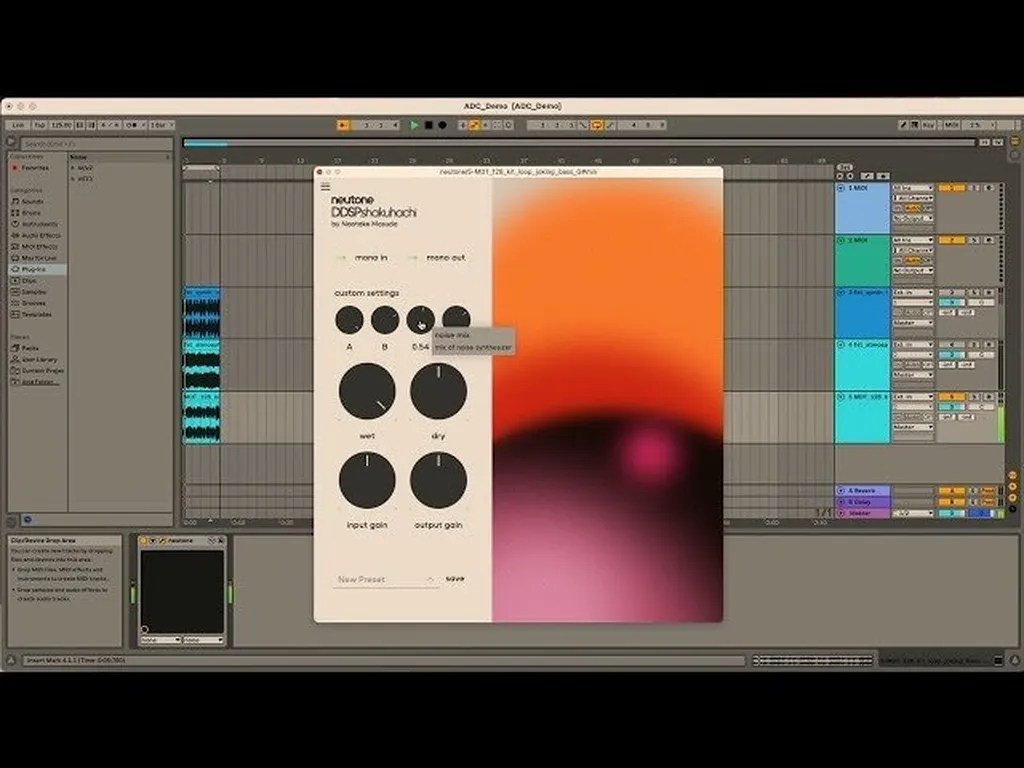
In the rapidly evolving landscape of digital audio processing, a groundbreaking open-source framework has emerged, poised to revolutionize how musicians and producers integrate neural audio models into their workflows. Dubbed the Neutone SDK, this innovative toolkit addresses the longstanding challenges of deploying deep learning models in digital audio workstations (DAWs), paving the way for real-time and offline audio transformations with unprecedented ease.
The Neutone SDK, developed by a collaborative team of researchers including Christopher Mitcheltree, Bogdan Teleaga, Andrew Fyfe, Naotake Masuda, Matthias Schäfer, Alfie Bradic, and Nao Tokui, encapsulates common hurdles such as variable buffer sizes, sample rate conversion, delay compensation, and control parameter handling within a unified, model-agnostic interface. This streamlined approach enables seamless interoperability between neural models and host plugins, allowing users to harness the power of deep learning in their audio processing tasks without the complexities traditionally associated with plugin development.
One of the standout features of the Neutone SDK is its ability to facilitate real-time neural audio processing. By providing a robust framework for integrating PyTorch-based models, the SDK empowers users to apply advanced audio effects, timbre transfer, and sample generation in real-time, enhancing the creative possibilities within DAWs. The framework’s versatility is further demonstrated through its applications in audio effect emulation, timbre transfer, and sample generation, showcasing its potential to transform various aspects of audio production.
The Neutone SDK’s adoption by researchers, educators, companies, and artists underscores its significance in the field of audio processing. By offering a user-friendly interface that operates entirely in Python, the SDK democratizes access to cutting-edge neural audio models, enabling a broader community of creators to explore and implement these technologies. The technical overview and corresponding SDK implementations provided by the researchers highlight the framework’s potential to streamline the deployment of neural audio models, making it an invaluable tool for both professionals and enthusiasts alike.
In summary, the Neutone SDK represents a significant leap forward in the integration of neural audio processing into digital audio workflows. Its open-source nature, coupled with its user-friendly interface and robust capabilities, positions it as a game-changer in the realm of audio production. As the framework continues to gain traction among researchers, educators, and industry professionals, it is poised to unlock new creative possibilities and redefine the boundaries of audio processing. For those eager to explore the Neutone SDK, it is readily available at https://github.com/Neutone/neutone_sdk, inviting users to delve into the future of neural audio processing. Read the original research paper here.