In a significant stride towards inclusivity in music technology, a recent systematic literature review has shed light on the current landscape of music tech designed for blind and low vision (BLV) individuals. The study, conducted by Shumeng Zhang, Raul Masu, Mela Bettega, and Mingming Fan, categorizes existing research and identifies key trends, paving the way for more accessible and inclusive musical experiences.
The review highlights six main categories of music technology tailored for BLV individuals. These include digital audio workstations (DAWs) with accessible interfaces, haptic feedback devices for spatial awareness, and assistive tools for music education and composition. Notably, the study emphasizes the importance of involving BLV individuals in the research process to ensure that the technology meets their unique needs and preferences.
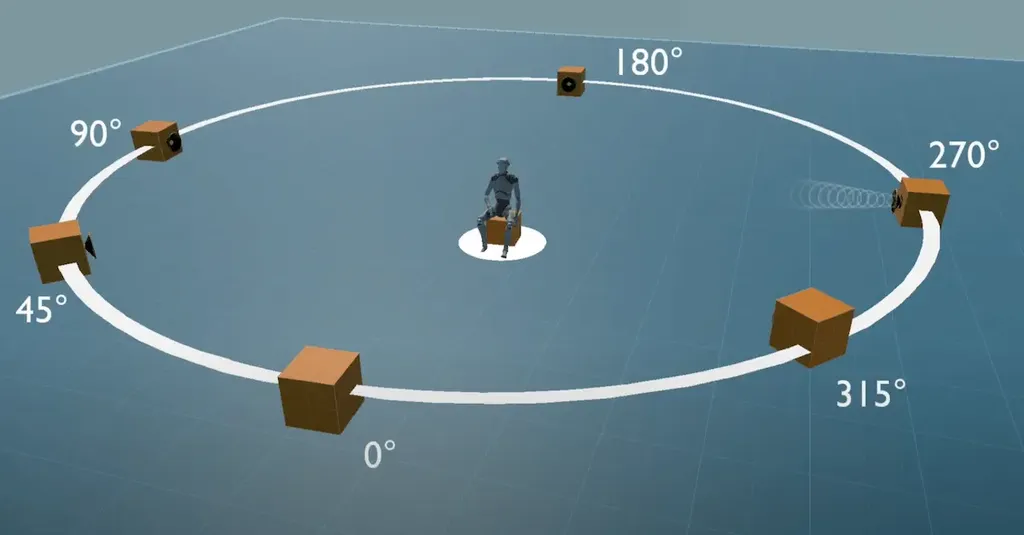
One of the key trends identified in the review is the focus on spatial awareness. Many of the technologies aim to help BLV individuals navigate musical spaces more effectively, whether it’s through haptic feedback that translates spatial information into tactile sensations or audio cues that provide orientation within a virtual environment. This spatial awareness is crucial for BLV musicians, as it allows them to interact with their instruments and musical environments with greater confidence and precision.
Another significant trend is the emphasis on access to information. The review highlights technologies that provide BLV individuals with real-time access to musical notation, lyrics, and other relevant information. For instance, some tools convert sheet music into Braille or provide audio descriptions of musical scores. This access to information is vital for BLV musicians, as it enables them to learn, practice, and perform music more independently.
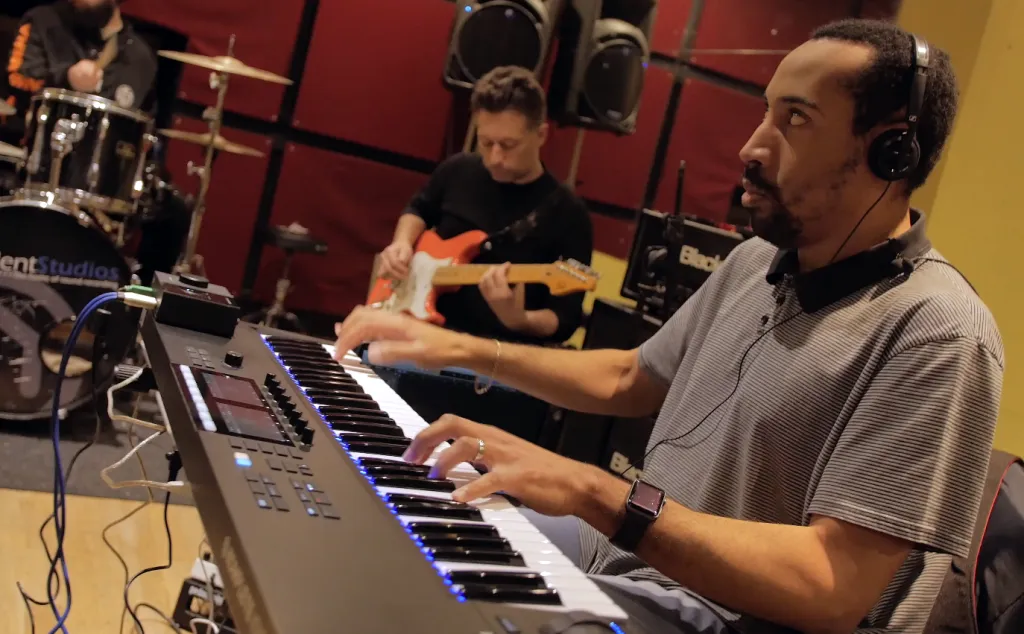
The review also underscores the importance of non-verbal communication in music technology for BLV individuals. Many of the technologies aim to facilitate non-verbal communication between musicians, such as through haptic feedback that conveys rhythmic information or audio cues that indicate when to start or stop playing. This non-verbal communication is essential for BLV musicians, as it allows them to collaborate and perform with others more effectively.
Lastly, the review highlights the role of memory in music technology for BLV individuals. Some technologies aim to help BLV musicians memorize musical pieces, such as through audio cues that reinforce memory recall or haptic feedback that provides tactile reinforcement. This focus on memory is crucial, as it enables BLV musicians to perform music more confidently and accurately.
The study concludes by proposing two key areas that are currently missing in the research: collaborative music technology and inclusive real-world testing with the target group. The researchers argue that these areas are essential for shifting the focus from “accessible technology” to “inclusive technology” for BLV individuals. By involving BLV individuals in the design and testing of music technology, researchers can ensure that the technology is not only accessible but also truly inclusive and empowering.
The practical applications of this research are vast. For music producers and educators, the findings can inform the development of more accessible DAWs, instruments, and teaching tools. For musicians, the review highlights the potential of new technologies to enhance their musical experiences and social inclusion. Ultimately, this research represents a significant step forward in the quest for a more inclusive and accessible musical world. Read the original research paper here.