
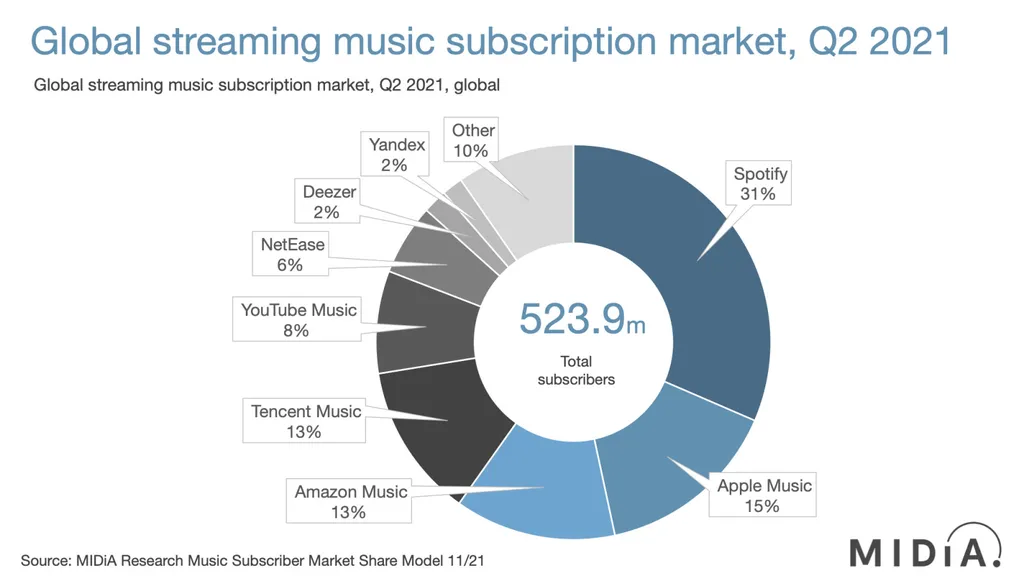
The recent surge in trading volume among seven key music stocks—Tencent Music Entertainment Group, NetEase, Warner Music Group, Dolby Laboratories, Madison Square Garden Entertainment, Innovative Eyewear, and Zeta Network Group—signals a dynamic shift in the music industry’s investment landscape. This movement underscores the growing recognition of music as a multifaceted sector with diverse revenue streams, from streaming and live events to technology and education.
Tencent Music Entertainment Group, with its extensive portfolio of streaming platforms like QQ Music, Kugou Music, and Kuwo Music, exemplifies the integration of music with social interaction through features like WeSing’s karaoke and sharing capabilities. NetEase, another notable player, combines music streaming with online gaming and intelligent learning services, reflecting the convergence of entertainment and education.
Warner Music Group stands out with its global reach and a rich catalog of record labels, highlighting the enduring value of music publishing and artist development. Dolby Laboratories, on the other hand, represents the technological backbone of the industry, with innovations like Dolby Atmos and AC-4 that enhance audio experiences across various platforms.
Madison Square Garden Entertainment brings the focus to live events, a sector that has shown remarkable resilience and adaptability. Innovative Eyewear and Zeta Network Group introduce a fresh perspective, blending music with wearable technology and online education, respectively. These companies illustrate the industry’s capacity to innovate and cater to evolving consumer preferences.
The increased trading activity in these stocks suggests a broader trend: investors are increasingly valuing companies that can navigate the complexities of the modern music landscape. Factors such as streaming growth, live event revenue, and technological advancements are critical in shaping investment strategies. Additionally, the sensitivity to consumer tastes and technological disruption underscores the need for agility and innovation within the sector.
As these companies continue to evolve, their strategies and successes will likely influence the broader music industry. The integration of technology, the emphasis on live experiences, and the exploration of new revenue streams are all areas where these companies are setting trends. Investors and industry watchers alike will be keen to observe how these developments unfold, potentially reshaping the future of music and entertainment.

