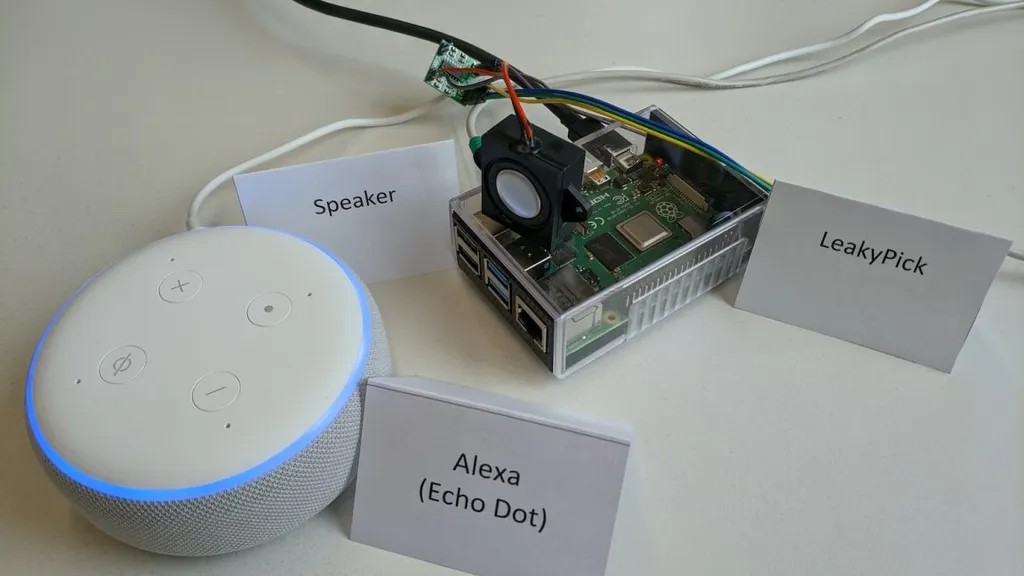
In an era where smart home devices are becoming increasingly ubiquitous, privacy concerns surrounding these Internet of Things (IoT) gadgets are escalating. Manufacturers are integrating voice assistant and audio monitoring features into a plethora of devices, from smart speakers and televisions to thermostats, security systems, and even doorbells. This proliferation of microphones in our homes raises significant questions about when and how our audio data is being transmitted to the cloud, and who might have access to these recordings. Enter LeakyPick, a groundbreaking architecture designed to detect unauthorized audio transmissions from smart home devices.
Developed by a team of researchers including Richard Mitev, Anna Pazii, Markus Miettinen, William Enck, and Ahmad-Reza Sadeghi, LeakyPick is a proof-of-concept device that periodically “probes” other smart home devices in its environment. It monitors subsequent network traffic for statistical patterns indicative of audio transmission. The prototype, built on a Raspberry Pi for under $40, boasts an impressive 94% accuracy in detecting audio transmissions across a collection of eight devices with voice assistant capabilities.
The implications for music and audio production are profound. As smart home devices become more integrated into our daily lives, the potential for unauthorized audio capture during recording sessions, rehearsals, or even casual jam sessions becomes a real concern. LeakyPick offers a cost-effective solution for both professionals and enthusiasts to ensure their creative spaces remain secure. By identifying devices that stream recorded audio without consent, users can take proactive measures to safeguard their privacy and intellectual property.
One of the most striking findings from the research involves the Amazon Echo Dot. Using LeakyPick, the team identified 89 words that the device misinterprets as its wake-word, leading to unexpected audio transmission. This highlights a critical vulnerability in current voice-activated technology, where unintended activations can compromise user privacy. For musicians and audio producers, this means that sensitive audio content could be inadvertently recorded and transmitted, posing risks to both personal and professional security.
The practical applications of LeakyPick extend beyond mere detection. By raising awareness about the potential for unauthorized audio transmissions, it encourages manufacturers to improve the transparency and security of their devices. As consumers become more vigilant, there will be increased pressure on companies to implement robust privacy protections and clear user consent mechanisms. This could lead to a paradigm shift in how smart home devices are designed and marketed, prioritizing user privacy and control.
In conclusion, LeakyPick represents a significant step forward in addressing the privacy challenges posed by the growing array of smart home devices. For the music and audio production community, it offers a valuable tool to monitor and secure their creative environments. As technology continues to evolve, solutions like LeakyPick will be essential in ensuring that innovation does not come at the expense of user privacy. By fostering a more secure and transparent ecosystem, we can embrace the benefits of smart home technology while safeguarding our most sensitive audio data.