
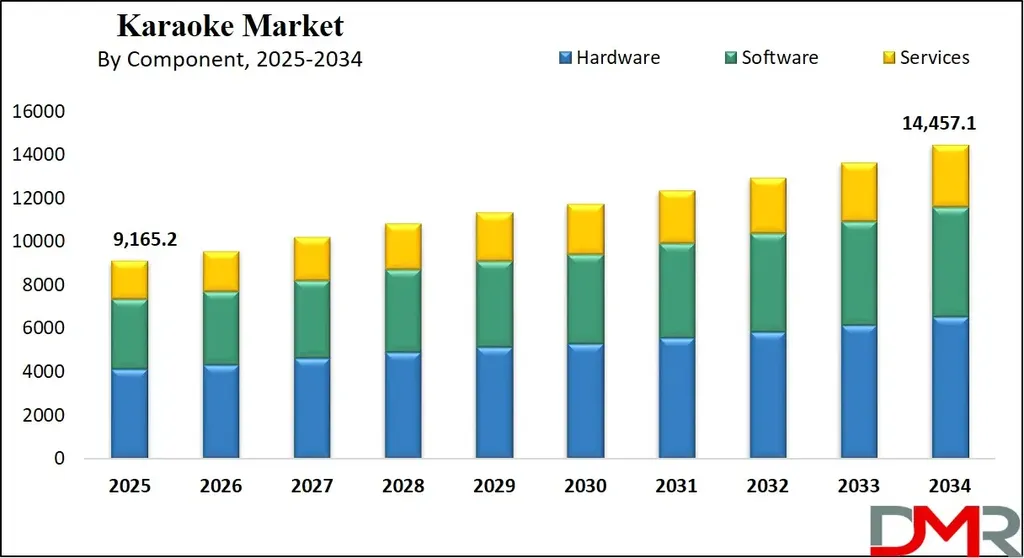
The global karaoke market is experiencing a steady growth trajectory, driven by technological innovation and the expanding culture of entertainment. Valued at USD 845.27 million in 2023, the market is projected to reach USD 1,113.41 million by 2032, growing at a compound annual growth rate (CAGR) of 3.3%. This growth is not merely a reflection of increased spending but a testament to the evolving ways people engage with music and social experiences.
At the heart of this growth are smart devices and advanced audio systems. Modern karaoke machines now come equipped with Bluetooth connectivity, wireless microphones, mobile app integration, and high-definition sound quality. These features enhance user experience and convenience, making karaoke more accessible and enjoyable. The rise of karaoke software and apps on smartphones has further revolutionized the way people interact with music, expanding the audience beyond traditional venues like bars and karaoke lounges.
The market is segmented by type, product type, and application. Portable karaoke systems are gaining traction due to their ease of use, compact size, and wireless connectivity features. Product types include standalone karaoke machines, microphones, mixers, and displays, with all-in-one solutions reducing setup complexity and attracting both commercial and home users. Applications range from commercial venues like bars, restaurants, and clubs to household use, with urbanization and the rise of casual dining establishments contributing significantly to the commercial segment.
Emerging trends are reshaping the karaoke experience. AI-enabled systems analyze voice quality, provide real-time pitch correction, and suggest personalized song selections. Mobile platforms democratize access to karaoke, allowing users to sing, record, and share from anywhere. Customization and virtual reality integration are creating immersive experiences for enthusiasts. These innovations are not just enhancing the karaoke experience but also broadening its appeal.
The competitive landscape features a mix of established audio technology companies and innovation-driven startups. Leading players include The Singing Machine Company, Inc., Vocopro, Acesonic USA, Vismay International Corporation, Pure Acoustics, Inc., Jiangmen Boway Sound Equipment Co. Ltd., Gemini Sound, Yamaha Corporation, Ion Audio LLC, and Electrohome. These companies focus on product innovations, design aesthetics, and diverse offerings, from professional setups for entertainment venues to budget-friendly options for home users. Strategic collaborations, product diversification, and digital marketing campaigns are key to maintaining a competitive edge in this steadily growing market.
The karaoke market presents notable opportunities, such as the rising number of karaoke competitions globally and the increasing availability of karaoke platforms in restaurants and pubs. These venues are transforming the social entertainment sector by merging music with dining experiences. Additionally, the integration of karaoke features into smart TVs and streaming platforms is likely to open newer consumer segments, particularly among younger audiences seeking convenient in-home entertainment.
North America, Europe, and Asia-Pacific dominate the karaoke market, with Asia-Pacific—especially Japan and South Korea—serving as the cultural hub for karaoke innovations. Meanwhile, North America and Europe are witnessing a surge in home karaoke usage, fueled by lifestyle changes and advances in smart device ecosystems.
Between 2024 and 2032, the global karaoke market is forecasted to expand from USD 845.27 million to USD 1,113.41 million, supported by technological advancements, increased accessibility, and heightened consumer participation. As manufacturers continue to enhance user interactivity and sound quality, the karaoke market is expected to remain a robust sector within the global entertainment industry.
This news shapes the development of the sector by highlighting the importance of technological innovation and the evolving preferences of consumers. The integration of AI, virtual reality, and mobile platforms into karaoke systems is not just a trend but a strategic shift that will define the future of the market. As the boundaries between entertainment, social engagement, and technology continue to blur, the karaoke market is poised for significant growth and transformation.

