
India, a nation where creativity is deeply ingrained in its cultural DNA, is on the brink of a creative renaissance, driven by the transformative power of modern technology. At the heart of this evolution is audio innovation, which is propelling India’s creative economy towards unprecedented growth. The demand for premium content, immersive formats, dynamic live experiences, and accessible digital platforms is surging, making audio technology a catalyst for the evolution of India’s media and entertainment (M&E) sector into a global powerhouse.
The M&E sector in India is projected to grow from ₹2,422 billion in 2023 to ₹3,067 billion by 2027, fueled by innovative fields like gaming, artificial intelligence (AI), and the metaverse. The government is actively nurturing this ecosystem through initiatives like the World Audio-Visual Entertainment Summit (WAVES 2025). This platform connected young creators with industry leaders, offering mentorship, funding, and global exposure, and showcased India’s potential as a hub for audio and audiovisual content.
The podcasting boom is a prime example of this transformation. With India’s podcast market projected to reach ₹17.8 billion by 2026, fueled by widespread smartphone penetration and affordable internet, audio content is becoming a cultural and economic force. Podcasts empower independent creators to share stories rooted in India’s diverse traditions, from regional folklore to modern social commentary, reaching global audiences. This surge in content creation, coupled with the rise of live concerts and digital platforms, is driving unprecedented demand for professional audio equipment.
The Indian audio devices market hit ₹5,000 crore in offline retail sales by mid-2024, with the personal audio segment growing 61% year-on-year. Complementing the digital wave is the resurgent live entertainment industry, valued at over ₹12,000 crore in 2024 with a projected CAGR of 19% over the next three years. Events like Coldplay’s concert in Ahmedabad not only electrify audiences but also boost local economies and highlight India’s capacity to host world-class spectacles.
At the core of this transformation are cutting-edge audio innovations: spatial audio, AI-driven sound design, and personalized audio solutions. Spatial audio crafts immersive soundscapes, elevating experiences in live events, virtual platforms, and entertainment venues. AI-enabled sound optimization tailors audio to individual preferences, while eco-friendly, modular designs and smart integration with digital platforms make high-quality tools accessible to all.
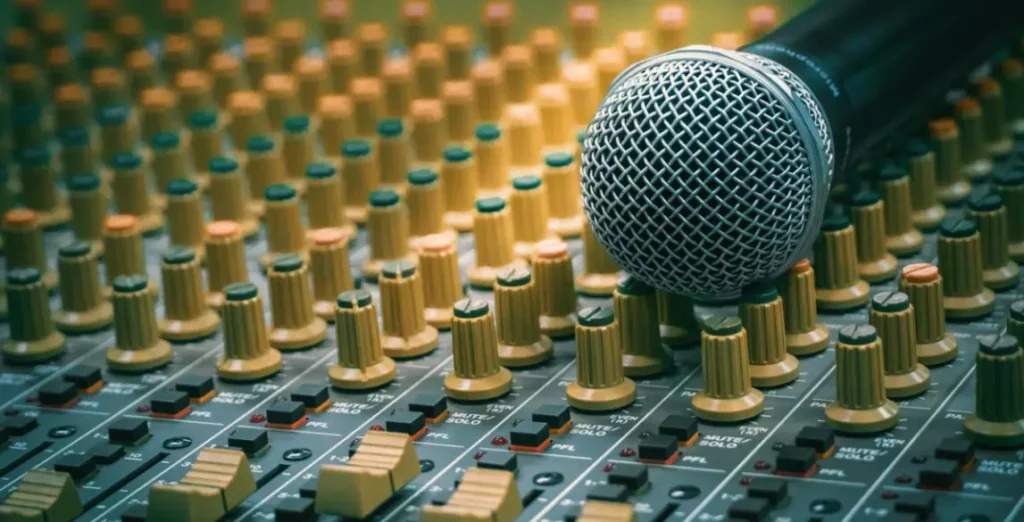
The professional audio equipment market is projected to grow from USD 1.9 billion in 2025 to USD 3.4 billion by 2031, at a CAGR of 9.7%, driven by demand for studio-grade microphones, audio interfaces, and mixing consoles. Local creators and independent production houses are embracing compact, software-integrated tools, turning small studios into hubs of innovation. The rise of digital content production, particularly through OTT platforms and streaming services, has further amplified demand for professional recording gear.
IP-based and wireless audio solutions are meeting the needs of modern AV infrastructure in smart buildings, corporate spaces, and educational institutions. These advancements democratize content creation, aligning with India’s storytelling heritage while fueling economic growth through job creation and foreign investment in audio content and services.
Heading into the future, collaboration between industry, government, and creators will be key to sustaining this momentum. Initiatives like WAVES 2025 demonstrated the power of uniting vision with opportunity, but the focus must remain on developing inclusive, sustainable audio solutions tailored to India’s unique needs. As Vipin Pungalia, Director – Sales India, Pro Audio, Sennheiser Electronics India Pvt. Ltd., aptly puts it, “Audio innovation is the sound of India’s future, a harmonious blend of tradition and technology that will resonate across the world, amplifying our cultural voice and driving economic progress.”

