In the vibrant landscape of Japanese pop culture, idol groups hold a special place, captivating audiences with their dynamic performances and diverse musical styles. These groups, comprising performers known as “idols,” frequently grace live concerts and television programs, delivering a blend of singing and dancing that has become a cultural staple. The music of idol groups is as varied as it is engaging, encompassing a wide range of styles, chord progressions, and instrumental arrangements. This complexity, coupled with the use of numerous instruments and sophisticated mastering techniques, results in tracks that are not only entertaining but also technically rich.
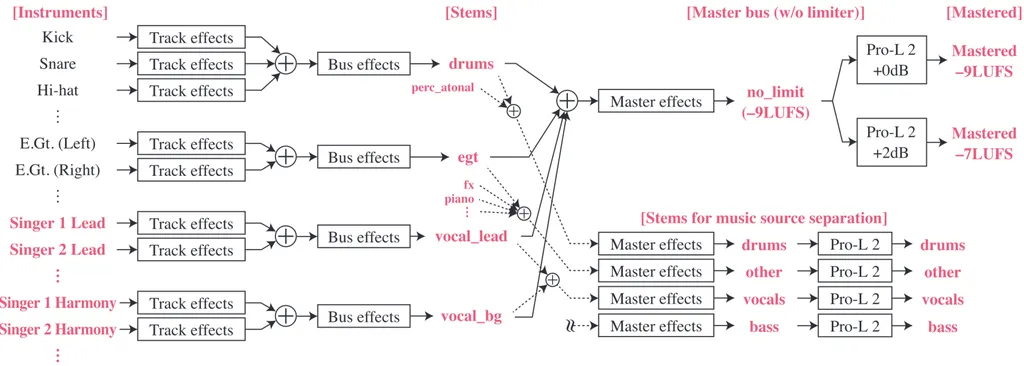
The unique structure of idol group songs, often featuring alternating solos and group performances, presents an intriguing challenge for music information processing techniques. To harness these challenges and advance the field, a team of researchers has meticulously constructed the IdolSongsJp corpus. This comprehensive collection includes 15 tracks, all crafted in the distinctive style of Japanese idol groups by professional composers. The corpus is not just a collection of mastered audio tracks; it also includes stems for music source separation, dry vocal tracks, and chord annotations, providing a robust dataset for various applications.
The IdolSongsJp corpus is designed to benchmark and evaluate several music information processing techniques under demanding conditions. These techniques include singer diarization, music source separation, and automatic chord estimation. By offering a diverse and well-annotated dataset, the corpus enables researchers to push the boundaries of these technologies, ultimately improving their accuracy and reliability in real-world scenarios.
The researchers behind the IdolSongsJp corpus have also demonstrated its diversity by comparing it with real-world idol group songs. This comparison highlights the corpus’s ability to capture the essence of idol group music while providing a controlled environment for experimental purposes. The detailed description of the corpus, along with its practical applications, underscores its potential to significantly impact the field of music information processing.
In summary, the IdolSongsJp corpus represents a significant step forward in the study and development of music information processing techniques. By leveraging the unique characteristics of Japanese idol group music, this corpus offers a valuable resource for researchers and developers alike. As the field continues to evolve, the insights gained from this corpus will undoubtedly contribute to the creation of more sophisticated and effective music technologies, enriching the experience of both creators and audiences.