
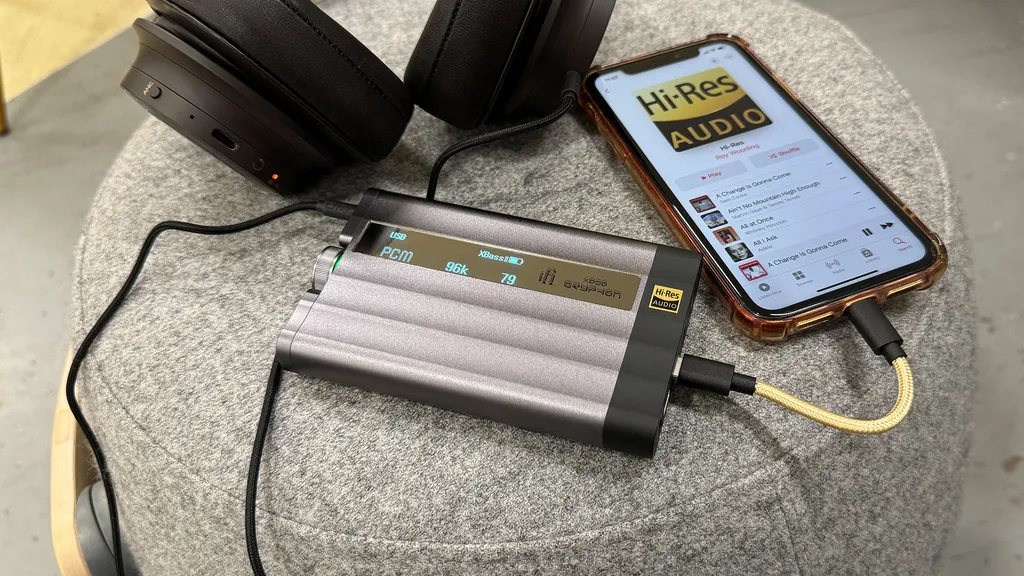
The recent surge in high-resolution (hi-res) audio streaming services has sparked a renewed interest in audio fidelity among music enthusiasts. As streaming platforms increasingly offer hi-res catalogs, listeners are becoming more aware of the potential benefits of high-fidelity sound. However, the path to truly experiencing hi-res audio is fraught with common pitfalls that can significantly diminish the listening experience.
One of the primary misconceptions is that simply selecting a hi-res or lossless option on a streaming service guarantees an optimal audio experience. In reality, achieving true hi-res sound quality requires a holistic approach, addressing several critical factors. The first and perhaps most significant obstacle is the widespread use of Bluetooth for audio transmission. Despite advancements in Bluetooth codecs, the technology remains incapable of transmitting hi-res audio without compression and data loss. As Brady Meyers of MakeUseOf notes, “Most people stream music over Bluetooth, but few realize that popular codecs like SBC and AAC compress audio before it even reaches your ears.” This compression means that even high-quality lossless formats like FLAC or ALAC are degraded when transmitted wirelessly.
Beyond the transmission link, the quality of output devices plays a crucial role. Listening to hi-res music on low-quality speakers or built-in laptop speakers is akin to watching a 4K video on an outdated television— the potential benefits are lost. As DC Studio/Shutterstock aptly puts it, “It’s like watching a 4K video on a 1990s TV. It just doesn’t work.” Most everyday devices, including smartphones and computers, come equipped with basic Digital-to-Analog Converters (DACs) that are ill-suited for hi-res audio. These built-in DACs often introduce noise, distortion, and a loss of detail, undermining the very purpose of hi-res streaming.
To truly experience hi-res audio, several key adjustments are necessary. First, abandoning Bluetooth in favor of wired connections is essential. Wired connections provide the stability and bandwidth required to transmit hi-res audio without distortion. Second, investing in a high-quality external DAC or audio interface is crucial. Built-in DACs are typically designed for convenience rather than fidelity, and upgrading to an external DAC can significantly enhance sound quality. Options like the iFi Zen V2 and FiiO K11 are highly recommended for their superior performance. Third, selecting high-quality audio output gear is vital. Headphones and speakers designed for accurate sound reproduction, rather than those with artificial bass or treble boosts, ensure that the full potential of hi-res audio is realized. Models like the Sennheiser HD 800 S and Polk Signature Elite ES20 offer excellent sound quality without breaking the bank.
The implications for the audio sector are profound. As consumers become more discerning and demand higher audio quality, streaming services and hardware manufacturers will need to innovate and adapt. This shift could drive advancements in wireless transmission technologies, improvements in DAC design, and a greater emphasis on high-fidelity output devices. Moreover, it may spur a broader cultural shift towards valuing audio quality, influencing everything from consumer electronics to live music experiences.
In conclusion, while the availability of hi-res streaming services is a positive development, achieving the best possible sound quality requires a comprehensive approach. By addressing the bottlenecks of wireless transmission, low-quality DACs, and subpar output devices, listeners can fully appreciate the nuances and richness of hi-res audio. As the sector evolves, these challenges will likely shape the future of audio technology, driving innovation and enhancing the listening experience for all.

