
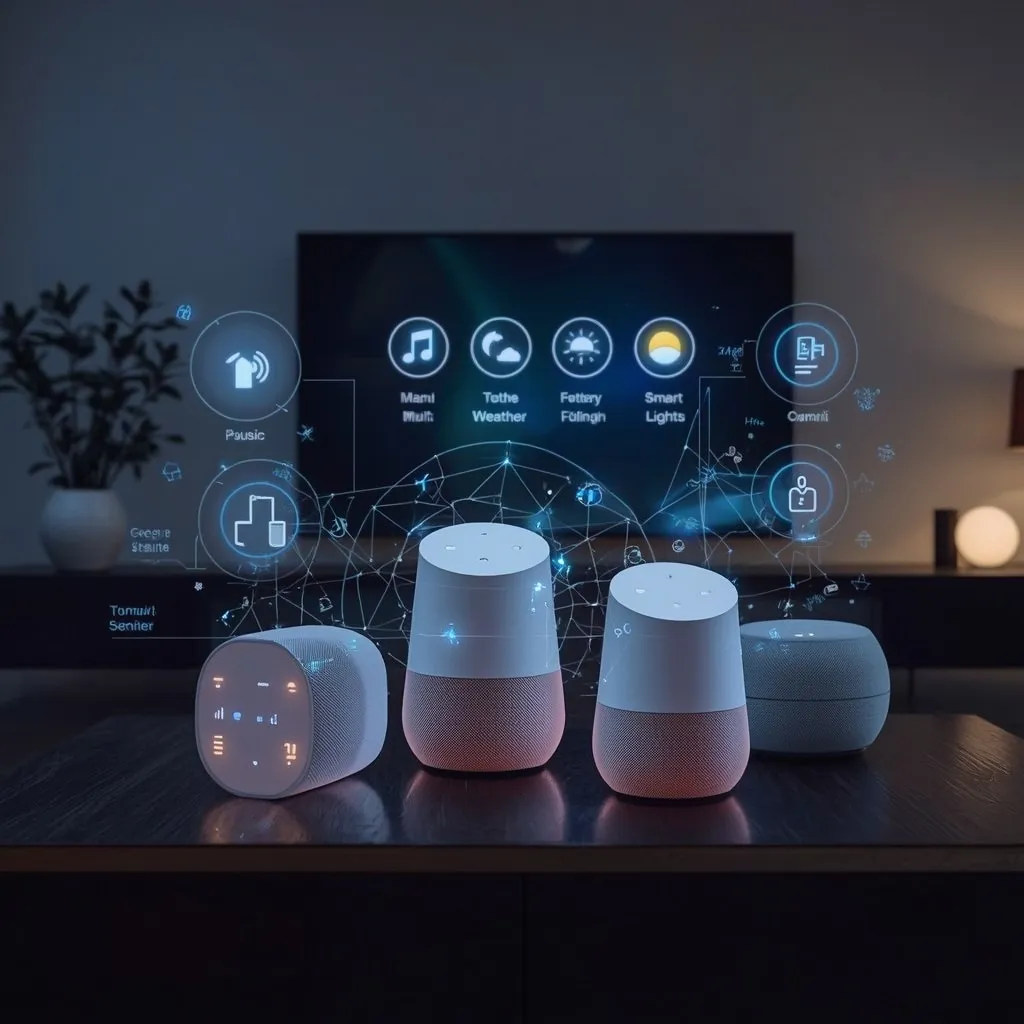
Google’s recent announcement that its Gemini AI assistant is coming to Nest smart home devices marks a significant shift in the smart home sector, with potential ripple effects that could reshape user expectations and industry standards. The gradual rollout, starting with the US in late October and expanding globally by 2026, signals a strategic, phased approach to integration. This isn’t just an upgrade; it’s a wholesale transition, as Gemini is set to replace Google Assistant across a decade’s worth of smart devices, from speakers and displays to doorbells and cameras.
The move underscores a broader industry trend towards more sophisticated, AI-driven home automation. Gemini’s advanced capabilities—likely including enhanced natural language processing, contextual understanding, and proactive assistance—could set a new benchmark for what users expect from their smart home ecosystems. This could pressure competitors like Amazon’s Alexa and Apple’s Siri to accelerate their own AI integrations, potentially sparking a wave of innovation in the sector.
Google’s call for user feedback during the early access phase is a savvy move. By involving users in the development process, Google isn’t just gathering data; it’s fostering a sense of ownership and investment in the product. This could lead to higher user engagement and more refined, user-centric features. The emphasis on feedback also highlights the iterative nature of AI development, where continuous learning and adaptation are key.
The introduction of the new Google Home Speaker and a rumored Nest Hub display in Spring 2026 further cements Gemini’s role as the cornerstone of Google’s smart home strategy. These devices will likely serve as flagship examples of Gemini’s capabilities, showcasing its potential to seamlessly integrate and control diverse smart home ecosystems. This could influence manufacturers to design products with Gemini compatibility in mind, driving a more cohesive and interconnected smart home market.
However, the delayed global rollout beyond the US raises questions about regional disparities in smart home technology access. It also presents an opportunity for competitors to capture markets where Gemini isn’t yet available, potentially diversifying the smart home landscape.
In essence, Google’s Gemini integration is more than a product update; it’s a catalyst for evolution in the smart home sector. It challenges competitors, engages users, and sets the stage for a more intelligent, responsive home ecosystem. The coming years will be pivotal in determining how this shift unfolds and what it means for the future of smart living.

