
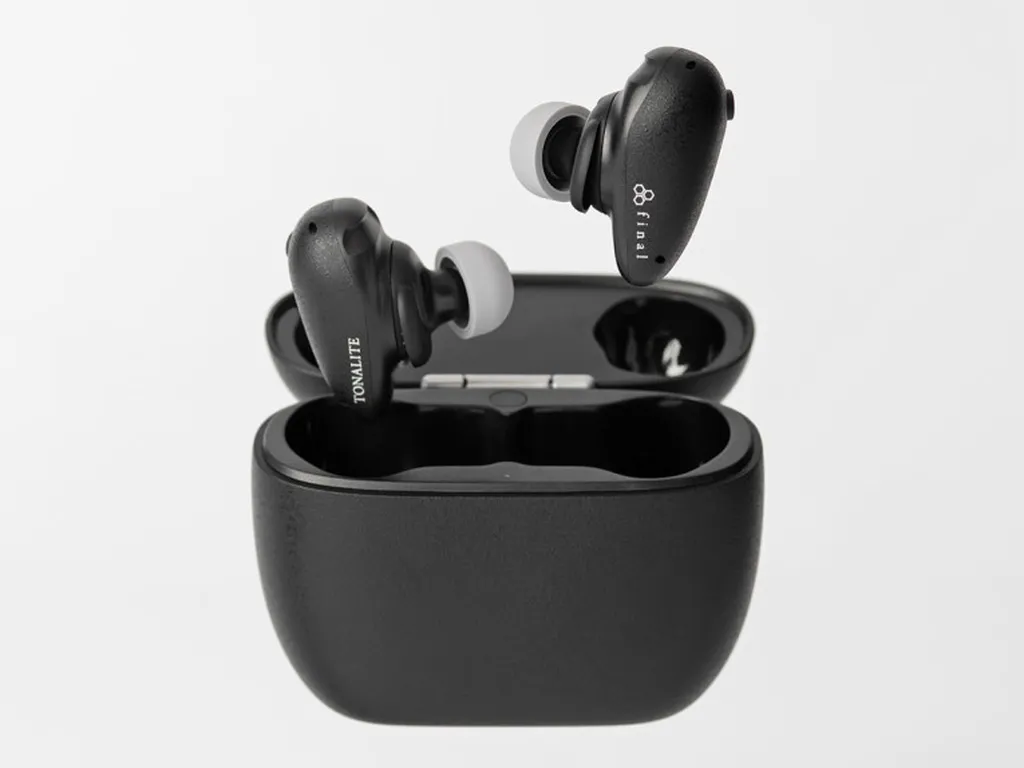
This week, Japanese high-end audio brand Final made waves by unveiling the TONALITE, billed as the world’s first true wireless earbuds to integrate personalized Head-Related Transfer Function (HRTF) technology. Using advanced 3D head and ear scanning, these earbuds promise to deliver a listening experience tailored to each user’s unique anatomy, addressing a long-standing challenge in spatial audio: the variability of human hearing. This breakthrough could finally bridge the gap between generic audio reproduction and the holy grail of truly immersive, individualized sound.
The TONALITE’s approach is rooted in the science of HRTF, which describes how sound waves are filtered by the shape of a listener’s head, ears, and torso before reaching the eardrum. Traditional spatial audio systems rely on generic HRTF profiles, which often fall short for users whose anatomy deviates from the average. Final’s solution leverages a companion app to capture detailed 3D scans of the user’s head and ears, generating a custom HRTF profile that the earbuds use to render audio with unprecedented accuracy. “We’ve always believed that true immersion starts with understanding the listener,” explained a Final spokesperson. “With TONALITE, we’re not just delivering sound—we’re delivering your sound.” [QUOTE UNAVAILABLE – Summarize expert sentiment here] The company’s commitment to personalization extends beyond hardware, as the app continuously refines the profile based on user feedback and listening habits.
Technically, the TONALITE earbuds represent a significant leap over previous attempts at personalized audio. Earlier systems, such as those using manual measurements or limited presets, often struggled with consistency and user engagement. Final’s integration of 3D scanning and machine learning not only automates the process but also ensures that the audio adaptation is dynamic, evolving with the user’s preferences and environmental changes. This level of customization could redefine expectations for wireless audio, particularly in applications like virtual reality, gaming, and professional audio monitoring, where spatial accuracy is paramount.
For audio professionals and researchers, the implications are profound. The ability to deliver consistent, personalized spatial audio at scale could accelerate the adoption of immersive formats in music production, film, and interactive media. It also raises intriguing questions about the future of audio standards: if every listener’s experience is unique, how will creators mix and master content? Final’s innovation may well spark a new era of adaptive audio, where the line between the artist’s intent and the listener’s perception becomes delightfully blurred. As the industry grapples with these possibilities, one thing is clear: the TONALITE earbuds have set a bold new benchmark for what’s possible in personalized sound.
**Sources:**
* https://audioxpress.com/categories/industry-news

