
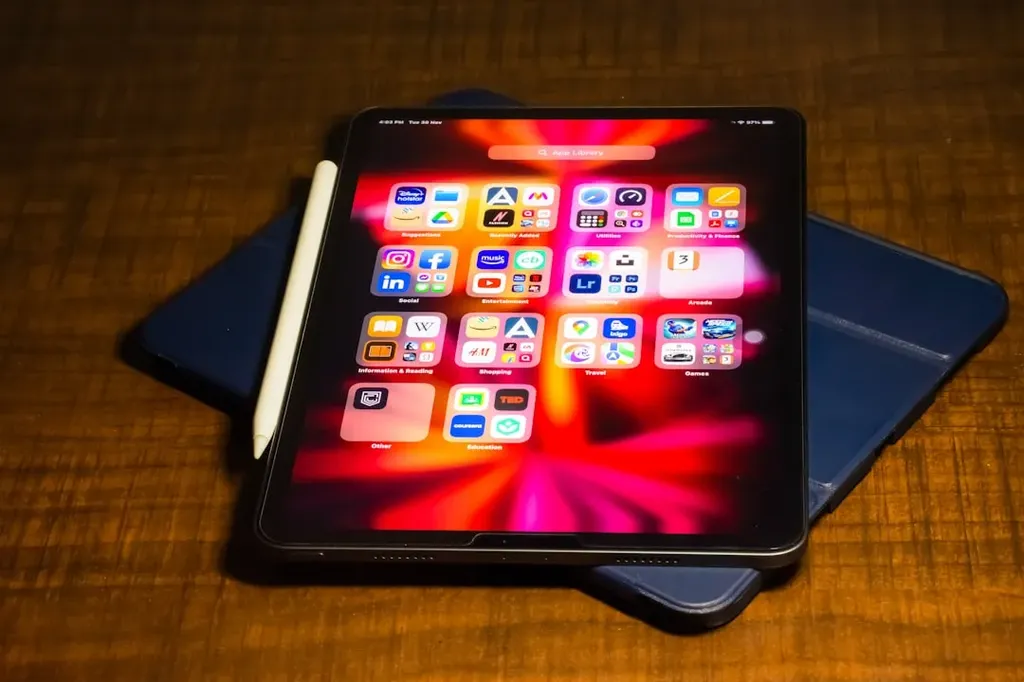
Apple’s potential shift to vibration-based speakers in the iPad mini 8 could mark a significant turning point in tablet design and audio technology. This move, if realized, would not only make the iPad mini unique among Apple products but also set a new standard for the industry. The idea of turning the display or chassis into the sound source is not entirely new, but its implementation in a mainstream device like the iPad mini could have far-reaching implications.
The primary benefit of this technology is improved water resistance. Traditional speakers require openings that can let water and debris in, compromising the device’s durability. By eliminating these openings, Apple could achieve a higher level of water resistance, similar to what it has accomplished with the iPhone. This would make the iPad mini more versatile and reliable in various environments, from beaches to kitchens.
Moreover, vibration-based speakers could enhance the audio experience. Sound that seems to come directly from the screen can create a more immersive and natural listening experience. This is particularly relevant for video playback, where audio that aligns with the visuals can significantly enhance the overall effect. The potential for better sound directionality and a thinner profile adds to the appeal, making the device more aesthetically pleasing and functional.
From a technical standpoint, the use of piezoelectric transducers offers several advantages. These transducers require high voltage but minimal current, making them more power-efficient than traditional speakers. This efficiency could translate into longer battery life, which is a critical factor for users who engage in prolonged video or music sessions. Additionally, the thin profile of these transducers allows for a slimmer device design, which is always a plus in the competitive tablet market.
Apple’s existing patent portfolio provides a solid foundation for this innovation. The “mechanically actuated panel acoustic system” patent outlines a method for dividing an enclosure into sub-panels with individual actuators that vibrate each section to convert audio signals into acoustic output. This approach addresses the challenges of different materials resonating differently, ensuring consistent audio quality across various device builds.
Industry precedents, such as Huawei’s P30 Pro and LG’s G8 ThinQ, have already demonstrated the feasibility of this technology. These devices have shown that vibration-based speakers can produce high-quality sound and create a unique user experience. Sony’s OLED TVs, which use multiple actuators behind displays, further validate the concept at a larger scale. These examples suggest that Apple could successfully adapt this technology for the iPad mini, given its resources and expertise.
However, there are technical challenges to overcome. Bass reproduction is a notable concern, as surface speakers struggle with low-frequency output. Apple could address this by leveraging its advanced digital signal processing (DSP) toolkit to boost perceived low end or by pairing exciters with a small hidden driver. Additionally, the company could use sensors to dynamically adjust vibration patterns based on how users hold the device, ensuring consistent audio quality despite touch contact.
The potential benefits extend beyond audio and water resistance. The elimination of speaker openings could lead to a more durable and easier-to-clean device. The thinner profile of piezoelectric transducers could free up space for a larger battery or contribute to a slimmer design. These advantages could make the iPad mini 8 more attractive to consumers and set a new benchmark for the industry.
If Apple successfully implements vibration-based speakers in the iPad mini 8, it could pave the way for similar innovations across its product line. MacBooks with speaking palm rests, iPhones with even thinner profiles, and Apple Watches with more advanced haptic feedback are all possibilities. This innovation could also align with Apple’s exploration of haptic buttons and other tactile feedback technologies, creating a more integrated and immersive user experience.
In conclusion, Apple’s potential adoption of vibration-based speakers in the iPad mini 8 represents a bold step forward in audio technology and device design. This move could enhance water resistance, improve audio quality, and contribute to a slimmer, more durable device. While there are technical challenges to address, Apple’s track record of innovation and its extensive patent portfolio suggest that it is well-positioned to overcome these hurdles. If successful, this innovation could have a ripple effect across Apple’s product line, setting new standards for the industry and redefining the user experience.

