
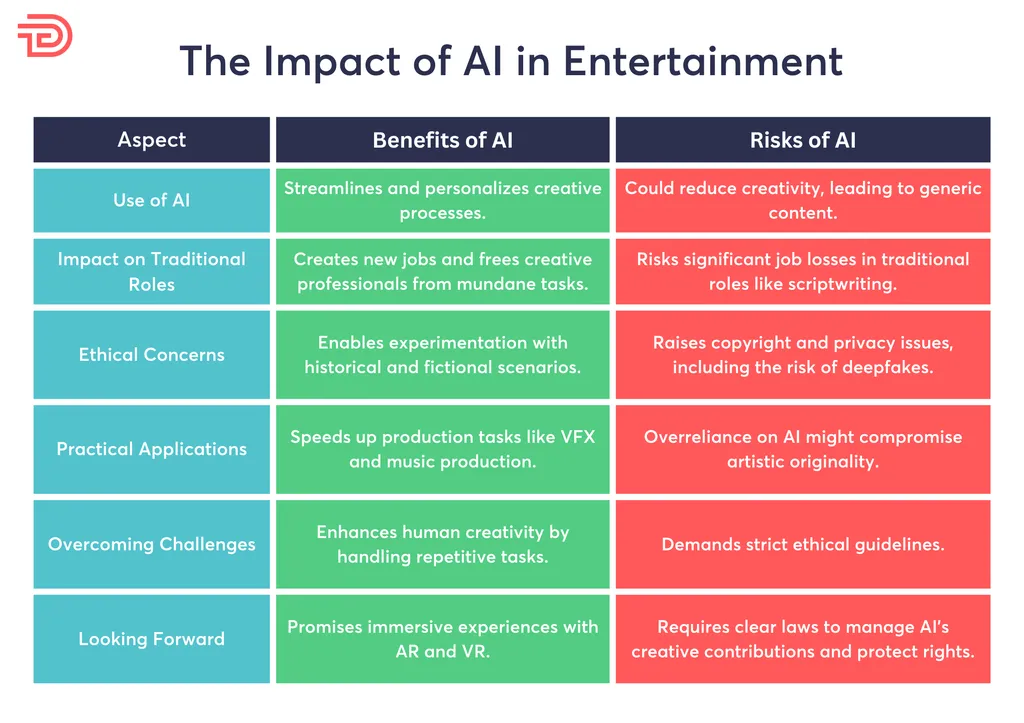
The rapid evolution of generative AI platforms is reshaping the digital content production landscape, offering unprecedented efficiency and creativity. These tools, powered by advanced machine learning algorithms, are automating processes that once demanded significant human effort and time. As this technology becomes more accessible, it’s poised to influence several key areas within the sector.
Firstly, generative AI is democratizing content creation. Platforms like ChatGPT and DALL-E enable users without specialized skills to produce high-quality text and images. This lowers the barrier to entry, fostering a more inclusive creative community. As these tools become more sophisticated, we can expect to see an explosion of diverse content, with creators focusing more on ideation and less on execution.
Secondly, these AI platforms are streamlining workflows. For professionals in marketing, design, and media, generative AI can significantly cut down production time. Tools like DeepFake and WaveNet, for instance, can create promotional videos and voiceovers without the need for extensive resources or personnel. This efficiency could lead to a shift in job roles, with professionals focusing more on strategy and oversight, and less on manual content creation.
However, the rise of generative AI also raises ethical and legal questions. The potential for misuse, such as creating deepfakes for misinformation or using voice synthesis without consent, cannot be ignored. As these technologies advance, so too must the regulations and guidelines governing their use. This will likely spur discussions and developments in digital ethics, data privacy, and intellectual property rights.
Moreover, the integration of AI in content creation could redefine the concept of originality. With AI’s ability to generate content based on patterns and data, the lines between human and machine creativity may blur. This could lead to new debates about authorship, copyright, and the value of AI-generated content.
In the realm of education, generative AI platforms like ChatGPT can serve as powerful learning tools. They can assist students in research, writing, and even coding, providing instant feedback and explanations. However, educators will need to adapt their teaching methods to incorporate these tools effectively, ensuring that students develop critical thinking skills alongside their technical abilities.
Lastly, the music industry could see a significant shift with AI tools like Jukedeck. These platforms can generate original music, offering a cost-effective solution for content creators needing background scores. However, the industry may need to grapple with questions about the value of AI-generated music and its impact on human musicians.
In conclusion, the development and adoption of generative AI platforms present both opportunities and challenges. As these technologies continue to evolve, they will undoubtedly shape the future of digital content production, influencing everything from workflows and job roles to ethical considerations and creative boundaries. The key will be to harness these tools responsibly, ensuring that they augment human creativity rather than replace it.

