
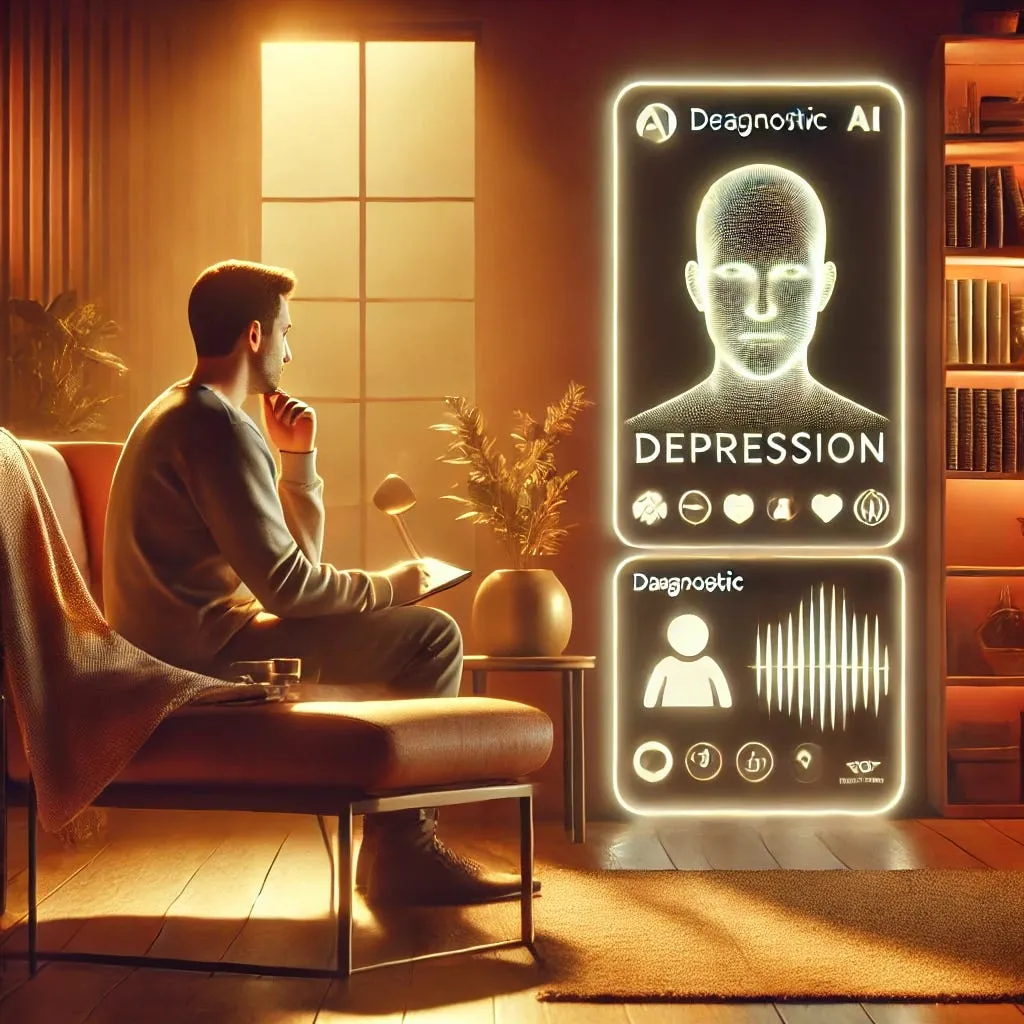
In a groundbreaking development that could revolutionize the way we approach mental health, researchers Jonas Länzlinger, Katharina Müller, and Bruno Rodrigues have introduced IHearYou, an innovative system designed to detect depressive behavior through speech acoustics. This approach is particularly significant given the widespread impact of depression, which affects millions of people globally. Traditional methods of diagnosis have long relied on subjective self-reports and interviews, which can sometimes fail to capture the true extent of an individual’s condition. IHearYou aims to address this limitation by leveraging passive sensing in household environments to extract voice features linked to DSM-5 (Diagnostic and Statistical Manual of Mental Disorders) indicators of Major Depressive Disorder.
The system operates locally to ensure privacy, utilizing a structured Linkage Framework that connects acoustic features to specific behavioral indicators. This framework is supported by a persistence schema and a dashboard that provides real-time data processing on a standard laptop. The researchers have also established a configuration-driven protocol that includes False Discovery Rate (FDR) correction and gender-stratified testing, ensuring the reproducibility and reliability of their findings. By applying this protocol to the DAIC-WOZ dataset, the team observed directionally consistent associations between voice features and depressive indicators, further validating their approach through a TESS-based audio streaming experiment.
The implications of IHearYou extend beyond mental health diagnosis. In the realm of music and audio production, this technology could open new avenues for understanding and interpreting the emotional content of vocal performances. For instance, composers and sound engineers could utilize similar acoustic analysis techniques to enhance the emotional resonance of musical pieces, tailoring soundscapes to evoke specific moods or responses from listeners. Additionally, this research could inspire the development of new tools for artists and producers, enabling them to create more nuanced and emotionally rich audio experiences.
Moreover, the privacy-preserving aspects of IHearYou’s design highlight the importance of ethical considerations in technology development. As the music and audio industry increasingly incorporates advanced technologies like artificial intelligence and machine learning, ensuring the privacy and security of users’ data becomes paramount. The lessons learned from IHearYou’s approach to local processing and data privacy can serve as a model for future innovations in the field.
In conclusion, IHearYou represents a significant step forward in the intersection of technology and mental health, offering a more objective and reliable method for detecting depressive behavior. Its potential applications in the music and audio industry are equally promising, providing new tools and insights for creators and producers. As we continue to explore the capabilities of acoustic analysis and passive sensing, the possibilities for innovation in both mental health and the arts are boundless.