
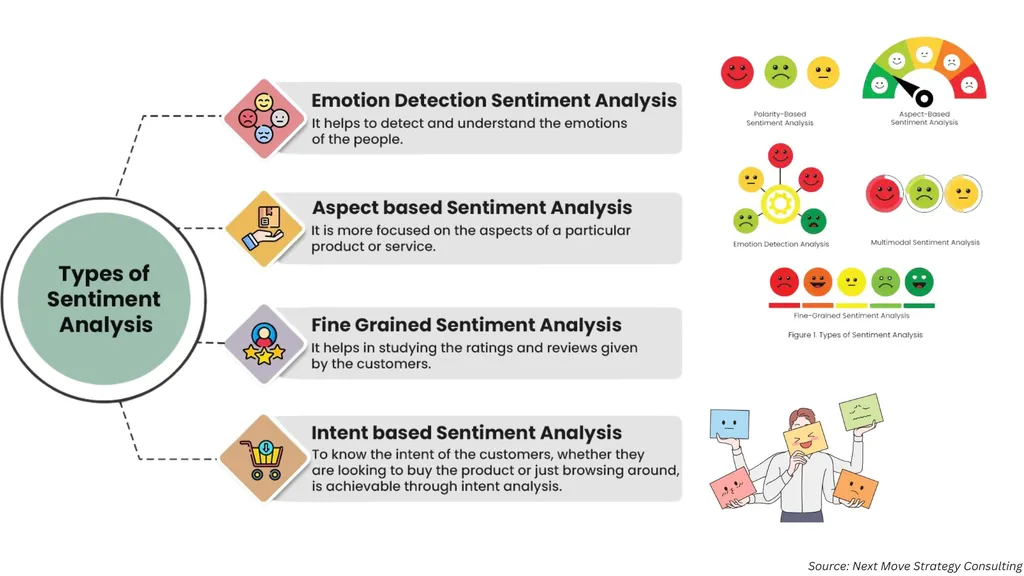
Sentiment analysis is a powerful tool in the world of technology, allowing machines to understand and interpret human emotions. Traditionally, this has been done through text analysis, but the field of multimodal sentiment analysis (MSA) is expanding this to include visual and audio cues as well. The challenge, however, lies in effectively integrating these different types of information.
The main issue arises in two phases: unimodal feature extraction and multimodal feature fusion. In the first phase, current methods only scratch the surface of the information available in each modality, ignoring the fact that sentiment can vary greatly between different personalities. In the second phase, these methods merge the information from each modality without considering the differences at the feature level, which can negatively impact the model’s performance.
To tackle this problem, a team of researchers has proposed a new framework called personality-sentiment aligned multi-level fusion (PSA-MF). The idea is to incorporate personality traits into the feature extraction phase, allowing for the creation of personalized sentiment embeddings from the textual modality. This is a first in the field, and it’s a significant step towards more accurate sentiment analysis.
In the fusion phase, the team introduces a multi-level fusion method. This method gradually integrates sentiment-related information from the textual, visual, and audio modalities through a process called multimodal pre-fusion, followed by a multi-level enhanced fusion strategy. This gradual, careful integration of information is designed to improve the model’s recognition performance.
The team has tested their method on two commonly used datasets and achieved state-of-the-art results. This is a promising development in the field of sentiment analysis, and it could have wide-ranging implications for everything from customer service chatbots to mental health monitoring apps. However, it’s important to note that while this method is a significant improvement, it’s not perfect. The researchers acknowledge that there’s still room for improvement, particularly in handling the complexities of human sentiment and personality.