In the world of deep learning, object detection has made significant strides, enabling machines to identify specific objects within images with remarkable accuracy. However, a persistent challenge remains: how to extend a model’s detection capabilities to new object classes without the need for vast amounts of annotated training data. This is particularly problematic for long-tailed classes, which are underrepresented in existing datasets.
A team of researchers from various institutions has tackled this issue head-on. They’ve introduced a novel concept: the object-centric data setting. This approach is designed to work in scenarios where data is limited, but available in the form of multi-view images or 3D models.
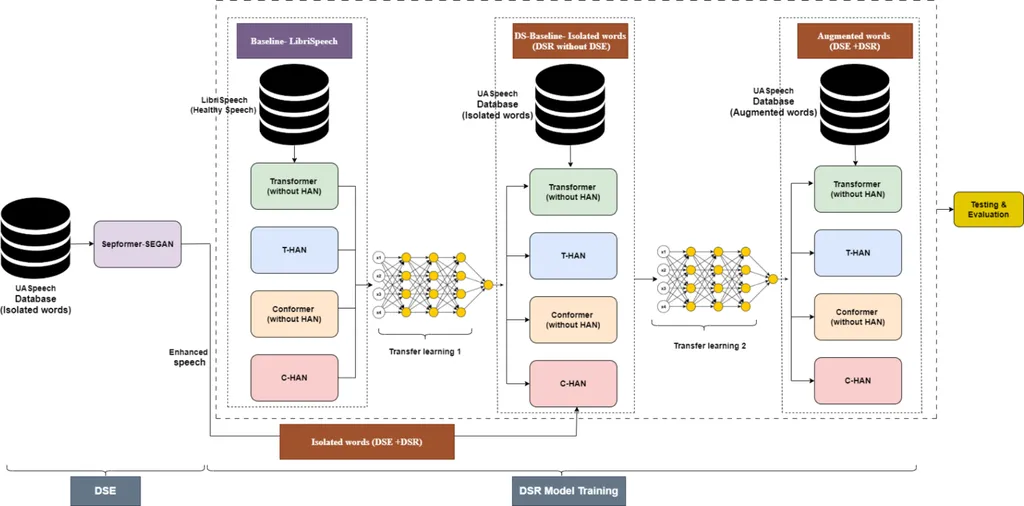
The researchers systematically evaluated four different data synthesis methods to fine-tune object detection models on novel object categories within this setting. These methods are based on simple image processing techniques, 3D rendering, and image diffusion models. They use object-centric data to create realistic, cluttered images with varying contextual coherence and complexity.
The goal of this research is to assess how these methods can enable models to achieve category-level generalization in real-world data. The results are promising, with significant performance boosts demonstrated within this data-constrained experimental setting.
This work could have far-reaching implications for the field of object detection. By reducing the need for large amounts of annotated data, it could make the process of training models to detect new object classes more efficient and cost-effective. This could, in turn, accelerate the development of more advanced and accurate object detection systems, benefiting a wide range of applications, from autonomous vehicles to augmented reality.