
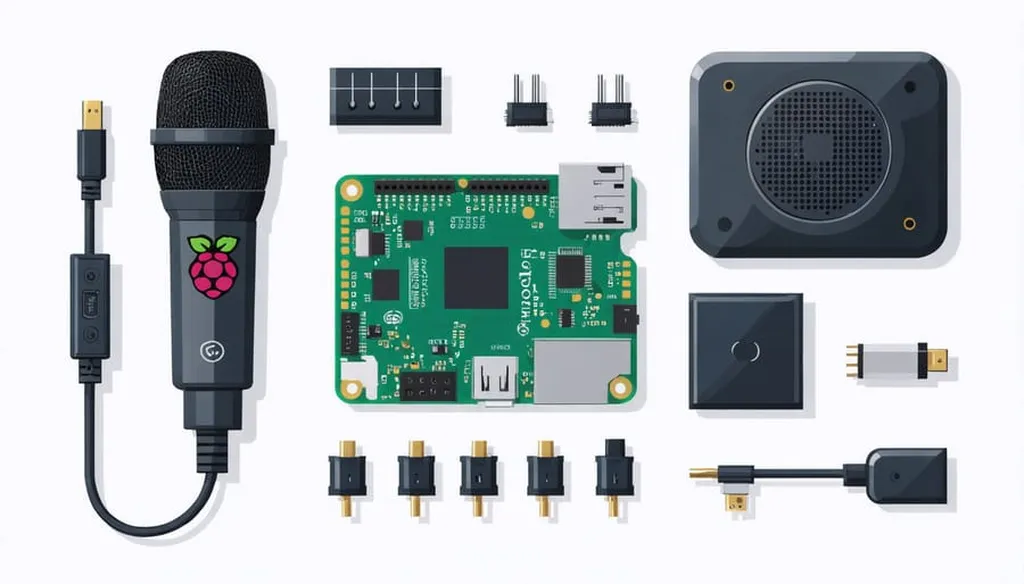
In the realm of audio classification, convolutional neural networks (CNNs) have consistently demonstrated exceptional performance. However, deploying these powerful models in real-time on resource-constrained devices, such as embedded systems, presents a significant challenge. A recent study conducted by Gabriel Bibbo, Arshdeep Singh, and Mark D. Plumbley delves into the intricacies of deploying large-scale pre-trained audio neural networks on a Raspberry Pi, a popular embedded hardware platform.
The researchers empirically investigated the impact of various factors on the performance of these networks. They discovered that continuous CPU usage leads to an increase in temperature, which can activate an automated slowdown mechanism in the Raspberry Pi. This thermal management feature, while beneficial for the hardware’s longevity, adversely affects inference latency, thereby compromising the real-time capabilities of the audio classification system.
Moreover, the study highlighted the critical role of microphone quality and audio signal volume in determining system performance. Affordable microphones, such as those included in the Google AIY Voice Kit, were found to be particularly susceptible to these variables. The researchers encountered substantial complications related to library compatibility and the unique processor architecture of the Raspberry Pi, making the deployment process less straightforward compared to conventional computers.
Despite these challenges, the findings of this study provide valuable insights for future research. The authors suggest that the development of more compact machine learning models, the design of hardware with improved heat dissipation, and the careful selection of microphones are essential steps towards enhancing the performance of AI models deployed on edge devices. As the demand for real-time audio classification continues to grow, these insights will be instrumental in driving innovation in the field of embedded systems and machine learning.