
In the rapidly evolving landscape of artificial intelligence, generative audio models have emerged as a groundbreaking technology, capable of creating human-like music and speech. These models, which learn patterns from vast amounts of data to generate new, synthetic content, have opened up exciting possibilities in the realms of music production, voice synthesis, and even audio restoration. However, as with any powerful technology, the ethical implications of generative audio models are profound and warrant serious consideration.
A recent systematic literature review conducted by Julia Barnett sheds light on the current state of ethical discourse within the field of generative audio research. Barnett analyzed 884 research papers and found that while 65% of them highlighted the positive potential impacts of their work, a mere 9.6% discussed any negative impacts. This stark disparity is particularly concerning given the serious ethical implications that have been raised by the few papers that do address potential harms.
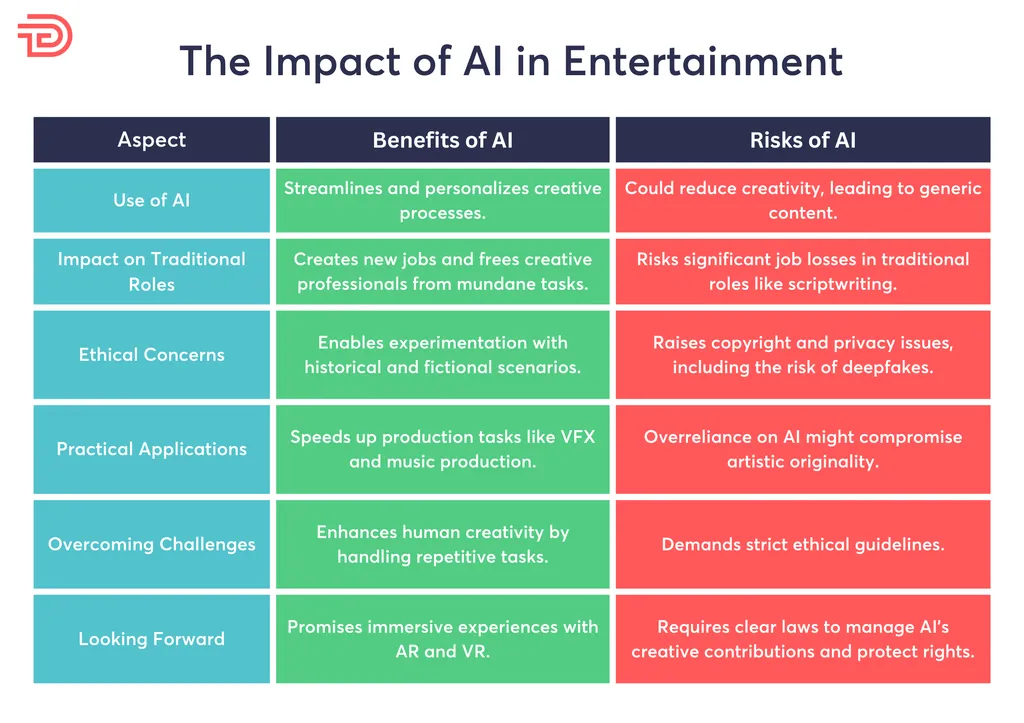
The ethical concerns surrounding generative audio models are multifaceted and far-reaching. One of the most pressing issues is the potential for fraud and deception. With the ability to create highly convincing synthetic voices, there is a risk that these models could be used to impersonate individuals, leading to instances of voice fraud or the creation of deepfake audio content. This could have serious consequences in areas such as journalism, politics, and personal security.
Another significant concern is the potential for copyright infringement. Generative audio models learn from existing data, which often includes copyrighted material. While the models themselves may not directly copy existing works, there is a risk that the synthetic content they generate could inadvertently infringe upon copyrights. This raises complex questions about the ownership and licensing of AI-generated content, as well as the potential for legal disputes between creators and AI developers.
The ethical implications of generative audio models also extend to the music industry. On one hand, these models offer exciting new tools for music production, enabling artists to create unique sounds and compositions. However, there is also a risk that AI-generated music could devalue the work of human musicians or lead to a homogenization of musical styles. Additionally, the use of generative models to create music could raise questions about authenticity and artistic integrity.
Barnett’s review highlights the urgent need for more conscientious research in the field of generative audio models. As these technologies continue to advance, it is crucial that researchers, developers, and policymakers engage in open and inclusive discussions about the ethical implications of their work. This includes not only addressing the potential harms but also exploring ways to mitigate these risks and ensure that the benefits of generative audio models are realized in a responsible and equitable manner.
In the realm of music and audio production, the practical applications of generative audio models are vast. They can be used to create realistic sound effects, generate backing tracks, or even assist in the composition process. However, as these tools become more widely available, it will be important for musicians and producers to consider the ethical implications of their use. This includes being mindful of copyright issues, respecting the work of other artists, and ensuring that AI-generated content is used in a way that enhances, rather than detracts from, the creative process.
As we stand at the precipice of a new era in audio technology, it is more important than ever to engage with these ethical questions. By doing so, we can ensure that the exciting possibilities offered by generative audio models are realized in a way that is responsible, equitable, and beneficial to all. Read the original research paper here.