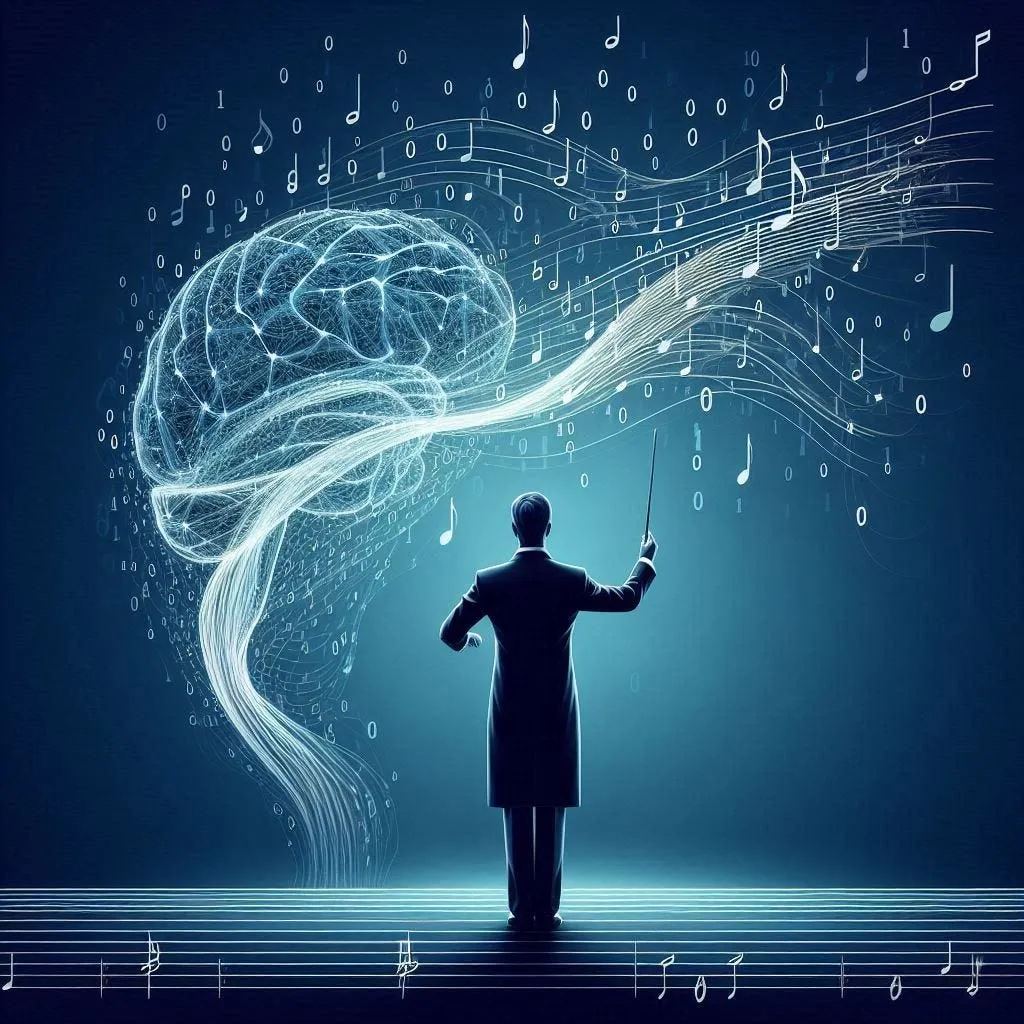
In a groundbreaking study, researchers Antonio Manuel Martínez-Heredia, Dolores Godrid Rodríguez, and Andrés Ortiz García have presented an integrative review and experimental validation of artificial intelligence (AI) agents applied to music analysis and education. The paper, titled “Artificial Intelligence Agents in Music Analysis: An Integrative Perspective Based on Two Use Cases,” explores the historical evolution of AI models in music, from early rule-based systems to contemporary approaches that leverage deep learning, multi-agent architectures, and retrieval-augmented generation (RAG) frameworks.
The research evaluates the pedagogical implications of AI through two distinct case studies. The first case examines the use of generative AI platforms in secondary education to foster analytical and creative skills among students. The second case focuses on the design of a multi-agent system for symbolic music analysis, which enables modular, scalable, and explainable workflows. These cases provide a comprehensive view of how AI can be integrated into music education and analysis, highlighting the potential benefits and challenges associated with these technologies.
Experimental results demonstrate that AI agents significantly enhance musical pattern recognition, compositional parameterization, and educational feedback. Compared to traditional automated methods, AI agents offer superior interpretability and adaptability. This improvement is crucial for educational settings, where personalized and effective feedback can greatly enhance learning outcomes. The study also underscores the importance of transparency, addressing cultural biases, and developing hybrid evaluation metrics to ensure the responsible deployment of AI in educational environments.
The findings contribute to a unified framework that bridges technical, pedagogical, and ethical considerations. This framework offers evidence-based guidance for the design and application of intelligent agents in computational musicology and music education. By integrating AI into music analysis and education, researchers and educators can create more dynamic and effective learning experiences, ultimately fostering a deeper understanding and appreciation of music.
The study’s emphasis on responsible AI deployment highlights the need for ongoing research and development in this field. As AI technologies continue to evolve, their applications in music analysis and education will likely expand, offering new opportunities for innovation and improvement. The researchers’ work provides a solid foundation for future studies, encouraging the development of AI systems that are not only technically advanced but also ethically sound and pedagogically effective.