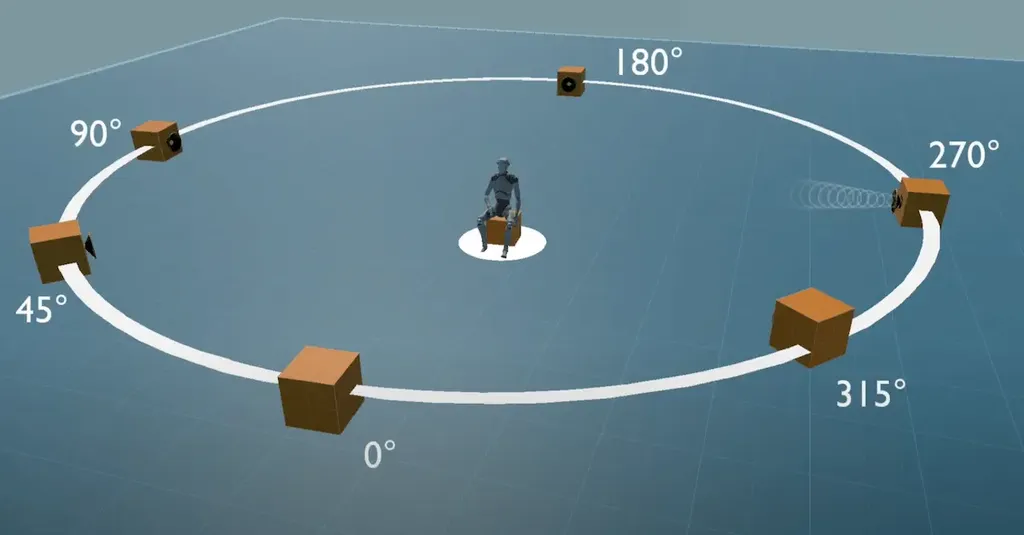
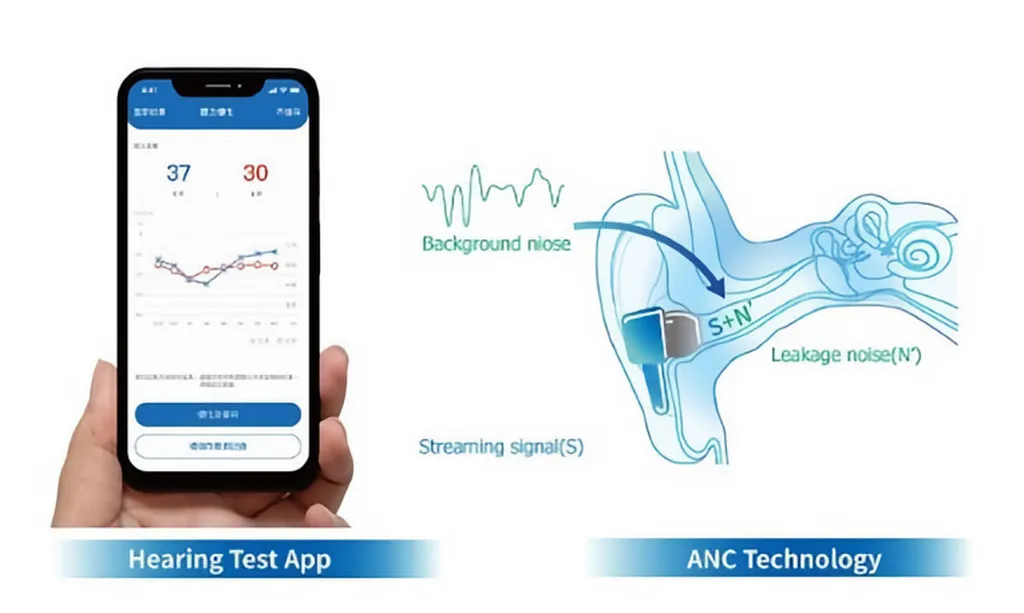
In a groundbreaking development, researchers have introduced an adaptive front-end system for audio signal processing that dynamically adjusts to complex acoustic environments, offering a significant leap in robustness and performance.
The research, led by Hanyu Meng and colleagues, addresses a longstanding limitation in audio signal processing: the static nature of learnable front-ends. These front-ends, while powerful, have parameters that are fixed once trained, limiting their flexibility and robustness in dynamic real-world scenarios. The team’s solution is an adaptive paradigm that replaces static parameterization with a closed-loop neural controller. This innovation allows the system to adjust its parameters in real-time, adapting to the ever-changing conditions of complex acoustic environments.
The researchers simplified the LEAF (Learnable Front-end) architecture and integrated a neural controller to enable dynamic tuning of Per-Channel Energy Normalization (PCEN). This controller leverages both the current and past subband energies, allowing the system to make input-dependent adaptations during inference. This means the system can adjust its processing based on the specific characteristics of the incoming audio signal, providing a more tailored and effective response.
The team demonstrated the effectiveness of their adaptive front-end through experiments on multiple audio classification tasks. The results were impressive, showing that the proposed adaptive front-end consistently outperformed prior fixed and learnable front-ends under both clean and complex acoustic conditions. This suggests that neural adaptability is a promising direction for the next generation of audio front-ends.
The practical applications of this research are vast, particularly in music and audio production. For instance, this adaptive front-end could enhance noise reduction algorithms, making them more effective in live recording scenarios where acoustic conditions can change rapidly. It could also improve automatic mixing and mastering tools, allowing them to adapt to the unique characteristics of different tracks and genres. Furthermore, this technology could be integrated into hearing aids and other assistive listening devices, providing users with a more personalized and adaptive listening experience.
In conclusion, this research represents a significant step forward in audio signal processing, offering a more robust and flexible solution for handling complex acoustic environments. The potential applications in music and audio production are exciting, promising to enhance the way we capture, process, and experience sound. Read the original research paper here.